

The Green Party has pledged an additional $200 million over four years to support te reo Māori education and revitalisation initiatives if it forms part of the next Government.
Announced during Te Wiki o Te Reo Māori, the policy would provide $50 million annually for programmes supporting the use and development of te reo Māori in schools, homes and communities.
Of that funding, $30 million a year would go towards continuous education and professional development for teachers. The remaining $20 million would increase funding for Te Taura Whiri i te Reo Māori and Te Mātāwai, which support language revitalisation at national and community levels.
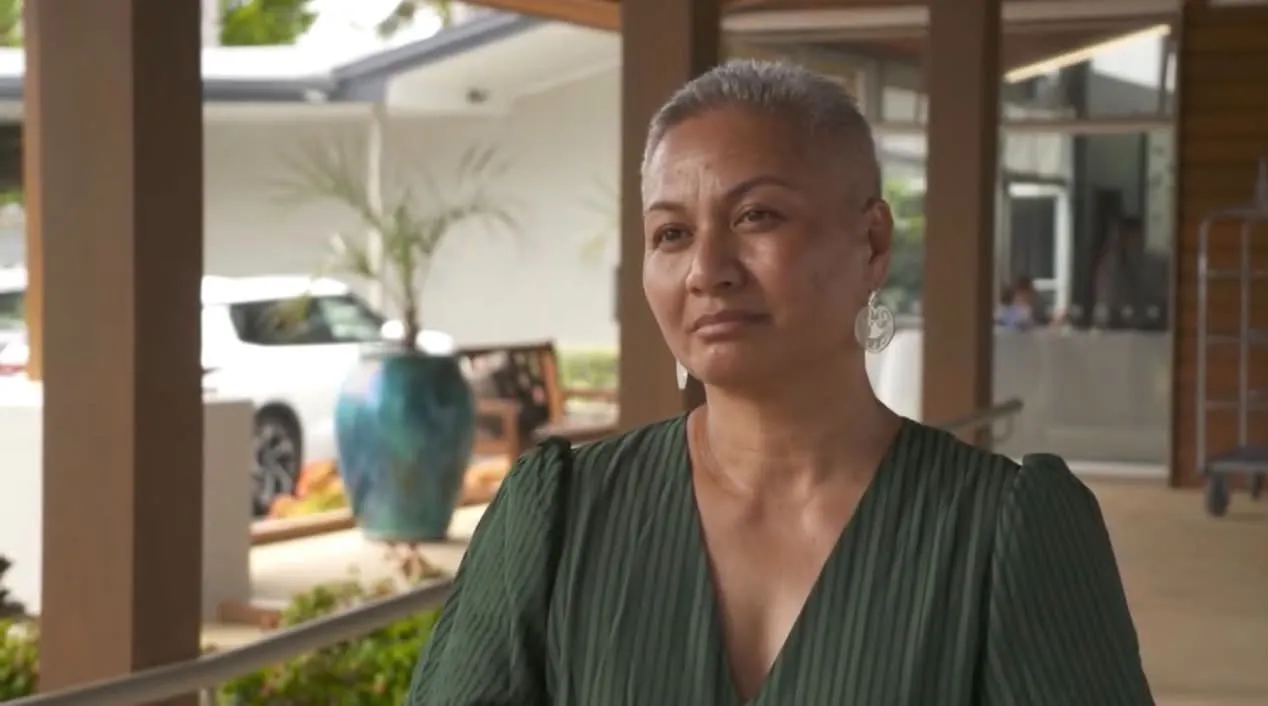
Green Party co-leader Marama Davidson said teachers were working hard to elevate te reo Māori in schools but needed greater support.
“Te reo Māori is a taonga. The Green Party will proudly fund te reo Māori initiatives to thrive for generations to come,” Davidson said.
The party said its proposed investment would help restore initiatives previously delivered through Te Ahu o Te Reo Māori, a programme established to strengthen the ability of teachers and other education workers to use te reo Māori.
An independent Ministry of Education evaluation found the programme received $108 million between 2021 and 2024 and had reached more than 16,000 participants. Its funding came from a time-limited Covid Response and Recovery Fund allocation and was not continued by the coalition Government. The Greens describe that decision as a $120 million cut over four years.
Davidson accused the Government of failing to adequately fund te reo Māori and waging a “culture war” against its use. The Government has previously defended changes to Māori language initiatives as part of its wider reprioritisation of public spending.
Te reo Māori is recognised as an official language under Te Ture mō Te Reo Māori. The legislation establishes a partnership between Māori and the Crown to protect and revitalise the language, with a Crown goal of one million people able to speak basic te reo Māori by 2040.