
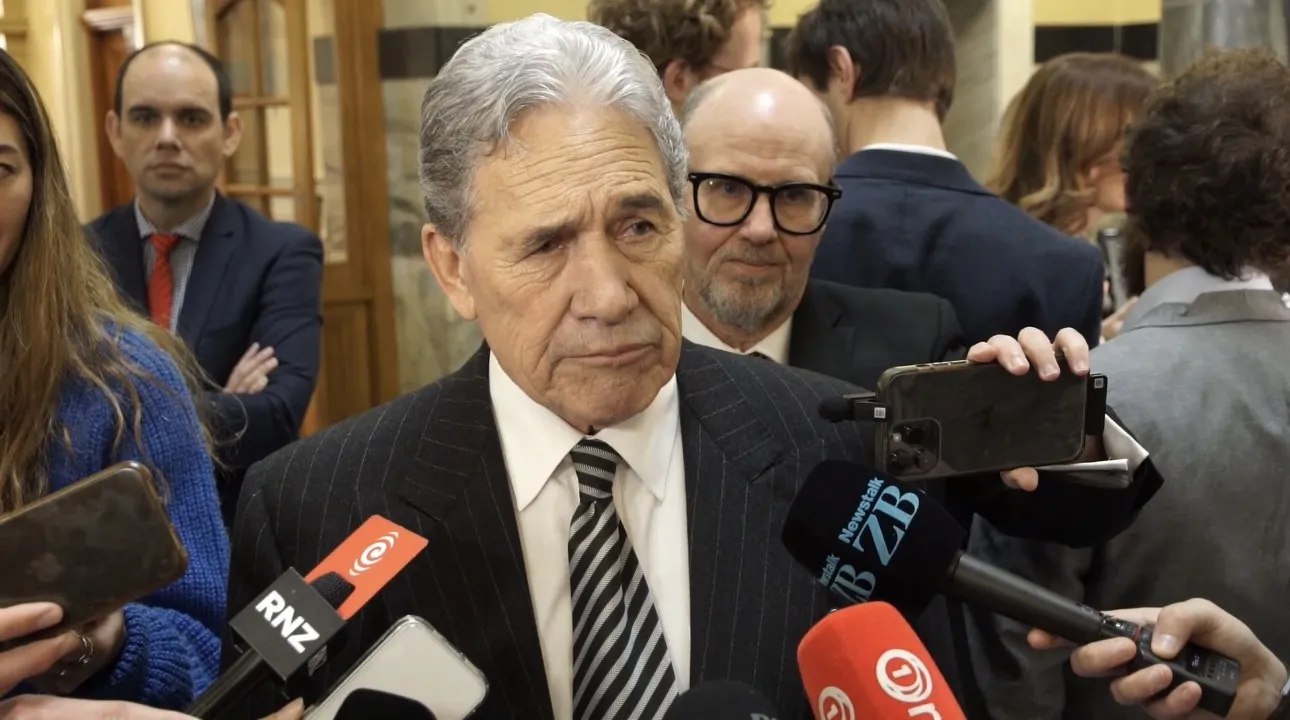

New Zealand First has unveiled a sweeping immigration policy that would cap resident visas, tighten access to citizenship and welfare, and substantially reduce what it describes as “non-essential immigration”.
Under the policy, the qualifying period for New Zealand citizenship would double from five years to at least 10 years, while the period required to qualify for permanent residence would increase from two to five years.
NZ First would also hold a referendum on introducing a legislated cap of 20,000 resident visas a year. Immigration levels would be linked to infrastructure capacity through a proposed 30-year population plan.
It blamed high immigration for greater pressure on housing, infrastructure and public services, as well as increased competition for entry-level jobs.
The announcement follows a political furore over Peters telling China-born Green MP Lawrence Xu-Nan to “go back to where you’ve come from” during an exchange in Parliament in July.
Prime Minister Christopher Luxon described the remark as racist, while other political leaders called for Peters to be stripped of the foreign affairs portfolio. Peters defended his response by pointing to Xu-Nan’s heckling.
Luxon later suggested Peters was “playing a game” to attract voters before the November election, while continuing to express confidence in him as Foreign Minister.
Jones also faced criticism in April after opposing New Zealand’s free-trade agreement with India and saying he would not support a “butter chicken tsunami” coming to the country.
Members of the Indian community described the comment as distasteful, while Jones defended his position by arguing immigration concessions had been inserted into the trade agreement without meeting public expectations.
The new policy would impose a 10-year welfare stand-down on visa holders and prioritise citizens for social housing. It would also broaden deportation powers and introduce automatic deportation for non-citizens convicted of specified violent, sexual, fraud and organised-crime offences.
International students would lose automatic work rights, while asylum rules would be tightened. Birthright citizenship would be restricted so only children of citizens automatically qualified.
Pacific overstayers would receive a two-year opportunity to apply to remain legally. Other overstayers would have 24 months to leave voluntarily without being automatically barred from applying to return.
NZ First said it would seek control of the Immigration portfolio in any future coalition, calling that necessary to deliver its proposed reforms.