
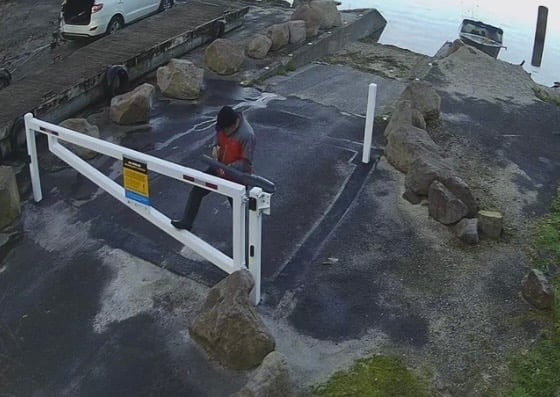

Ngāti Tarāwhai Iwi Trust is reeling from another act of environmental vandalism after the automated biosecurity gate at the Lake Ōkataina boat ramp was wilfully damaged again.
The gate, described by the Trust as a “frontline defence” against invasive species, is a crucial measure installed to protect the lake’s pristine ecosystem from the highly destructive freshwater gold clam (Corbicula fluminea) and other invasive species.
The recent damage to the gate by the driver of the car in the photo has triggered an angry response from the Iwi Trust, who have made it clear they will not tolerate acts that threaten the ecosystem of the Lake.
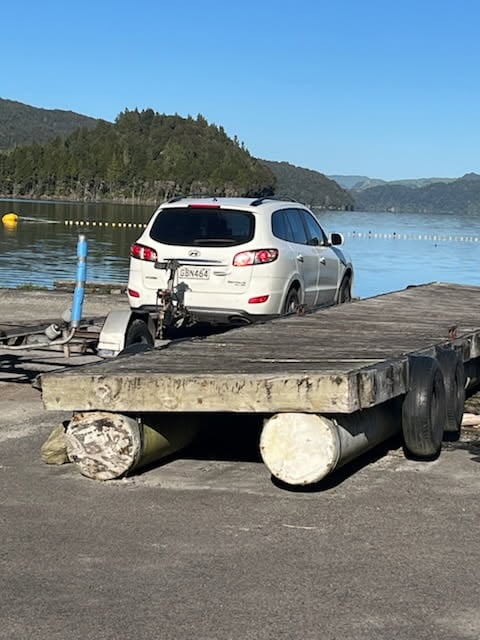
Ngāti Tarāwhai Iwi Trust is moving decisively to ensure accountability by those committing these destructive acts.
The trust has reviewed the vandalism that took place yesterday morning (Thursday 11 June 2026) at about 830am.
“Ngāti Tarāwhai has worked tirelessly with partners to establish this frontline defence for Lake Ōkataina. To see this vital biosecurity measure wilfully damaged is a complete betrayal of our kaitiakitanga and a sign that some individuals simply do not care about the future health of this taonga,” said Ngāti Tarāwhai Iwi Trust chair Cyrus Hingston.
“This automated gate is our most critical barrier against the freshwater gold clam, a pest that can destroy our pristine ecosystem. The people who damaged this gate are not just vandalising property; they are actively threatening one of the cleanest lakes in the country for a moment of selfish convenience. We have had a guts full of this environmental vandalism,” he said.
The sophisticated system was put in place to ensure strict, legally mandated cleaning requirements for all watercraft are met before they can access the lake. This process is designed to prevent boats coming from infected waterways, such as the Waikato River, from introducing the rapid-breeding gold clam into Lake Ōkataina.
The mandatory procedure for lake access is as follows:
• The Wash Station: All vessels must first be taken to the designated wash station, located at 338 Te Ngae Road, Rotorua, to be thoroughly cleaned and inspected.
• QR Code Access: Once the vessel is properly washed and the user has self-certified through the online system, a digital QR code is issued. Scanning this code at the gate’s automated reader grants entry.
“We have immediately raised this serious act with both Te Arawa Lakes Trust and the Bay of Plenty Regional Council. We want the public to know we have clear camera footage, and we will absolutely pursue the individual responsible for this latest damage to the fullest extent of the law,” Hingston confirmed.
Lake Ōkataina Wash Station Hours:
The wash station at 338 Te Ngae Rd is currently staffed on Friday, Saturday, and Sunday from 6:30am to 6:00pm to align with the lake’s operating hours for boat angling (6:30am–7:00pm).
Standard Check Clean Dry Rules (Rotorua Lakes District):
The Check, Clean, Dry method is a scientifically backed protocol to stop the spread of invasive pests like didymo and the gold clam. For all vessels and gear entering a Bay of Plenty water body, including the Rotorua lakes, you must check, clean, and dry to ensure they are free from freshwater pests.
• Check: Remove all visible matter, including plant material, mud, or clams. Leave it on the bank or put it in the rubbish; do not wash it down a drain.
• Clean: Blast your gear and craft with tap water (onto grass, not into a stormwater system). For absorbent materials or for clam-specific cleaning, treatments include:
◦ Soaking in hot tap water (50°C to 55°C) for at least 5 minutes.
◦ Soaking in a 5% bleach solution (250ml bleach in 4.75L water) for one hour.
◦ Freezing until solid (overnight).
• Dry: Ensure your gear is completely dry to touch, inside and out. Then, leave it to dry for at least another 48 hours (two days) before using it in a different waterway.
In addition to this, all vessels using a boat ramp with a self-certification checkpoint in the Bay of Plenty must complete a supplied certification form, which can be done via online form, paper form at the ramp, or by scanning a QR code.