


A chasm is opening between Wellington and the regions as the Government accelerates its push to phase out Mana Whakahono ā Rohe agreements.
While ministers frame the move as a necessary streamlining of the Resource Management Act (RMA), local leaders are hitting back, describing the policy as a dangerous overreach that ignores the reality of effective iwi-council partnerships.
Despite the government’s move to phase out Mana Whakahono ā Rohe agreements, the Tūrangi Co-Governance Committee is standing its ground. Co-Chairs Te Wharau Walker Junior and Taupō District Mayor John Funnell have pledged to maintain their collaborative relationship, ensuring their shared work for the Tūrangi community continues regardless of national policy shifts.
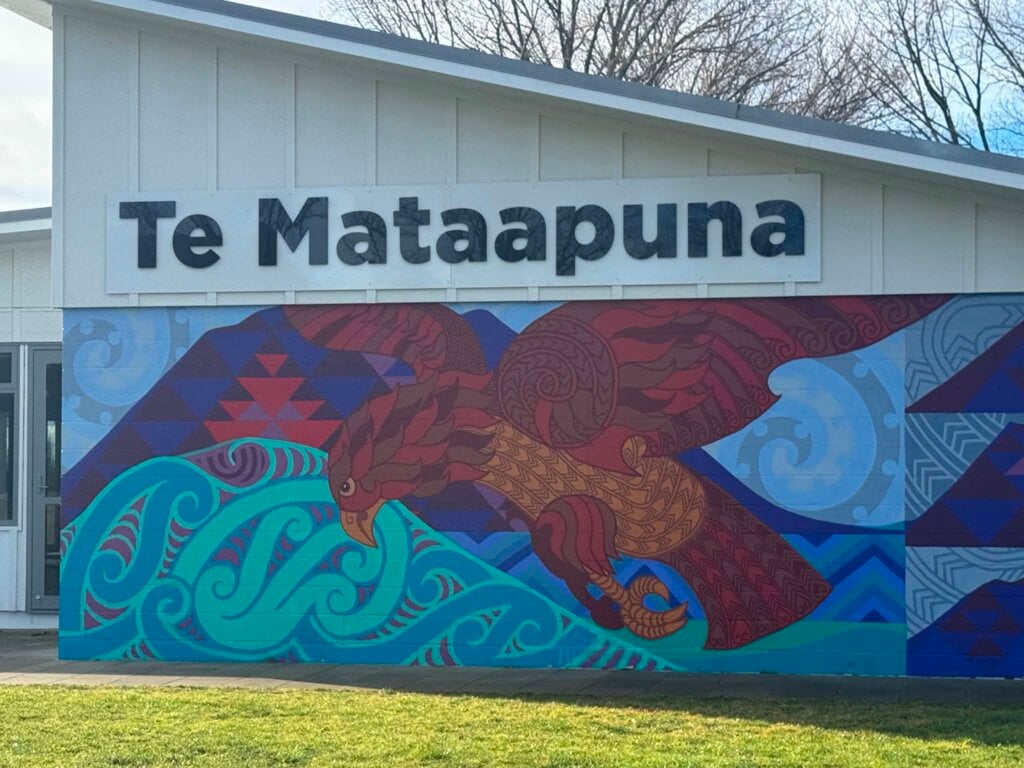
Having delivered key local initiatives like the Te Mataapuna Sports Facility over the past four years, both leaders remain committed to the partnership they’ve built, proving their bond is defined by local community needs rather than central government mandates.
“The agreement we have in Tūrangi recognises the fact that most of council’s assets sit on Turangitukua’s land and working together is a reflection of that deeper relationship. I am happy to see the gains we have made for the community over the past four years,” Mayor John Funnell said.
“Council has an ongoing relationship with Ngāti Tūrangitukua; and that relationship will continue,” he said.
For iwi leaders who have spent years negotiating these frameworks in good faith, the government’s reversal feels like a betrayal of the democratic process. Lauren Fletcher, chair of the Ngāti Tūrangitukua Charitable Trust, views the national policy as contradictory to the government’s own campaign promise of not interfering in local matters.
“So they campaigned against that and they’ve done the opposite,” Fletcher said. “They said they’d leave District Councils and Regional Councils to govern their own; they know what’s good for their communities. And then here we have something that is good for communities, for our iwi, for our District Councils to partner together on, and then they’re now overreaching in that,” she said.
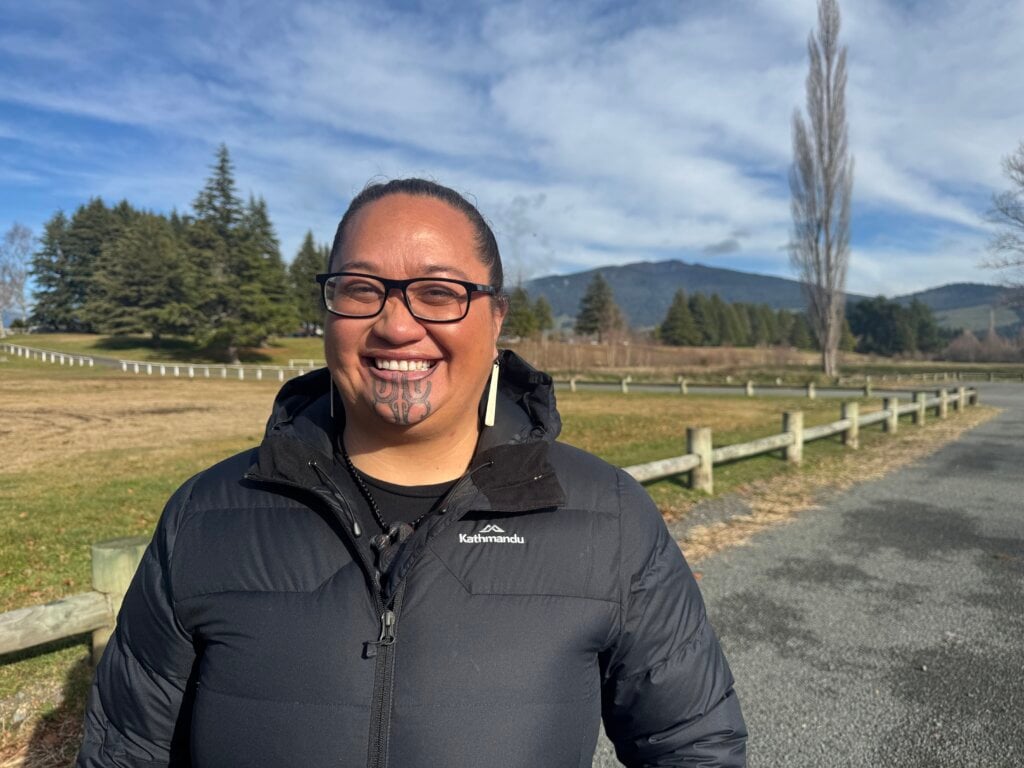
Ngāti Tūrangitukua Charitable Trust chair Lauren Fletcher
”It’s always been our taonga – our taiao remains the forefront of why we do what we do. And you know, these decisions are for our mokopuna and for our whānau because this is our whakapapa”.
This friction extends to the very mechanics of how councils and iwi interact on environmental protection. Nicki Douglas of Ngāti Rangiwewehi argues that Mana Whakahono ā Rohe agreements provided a vital, functional bridge that simplified local decision-making.
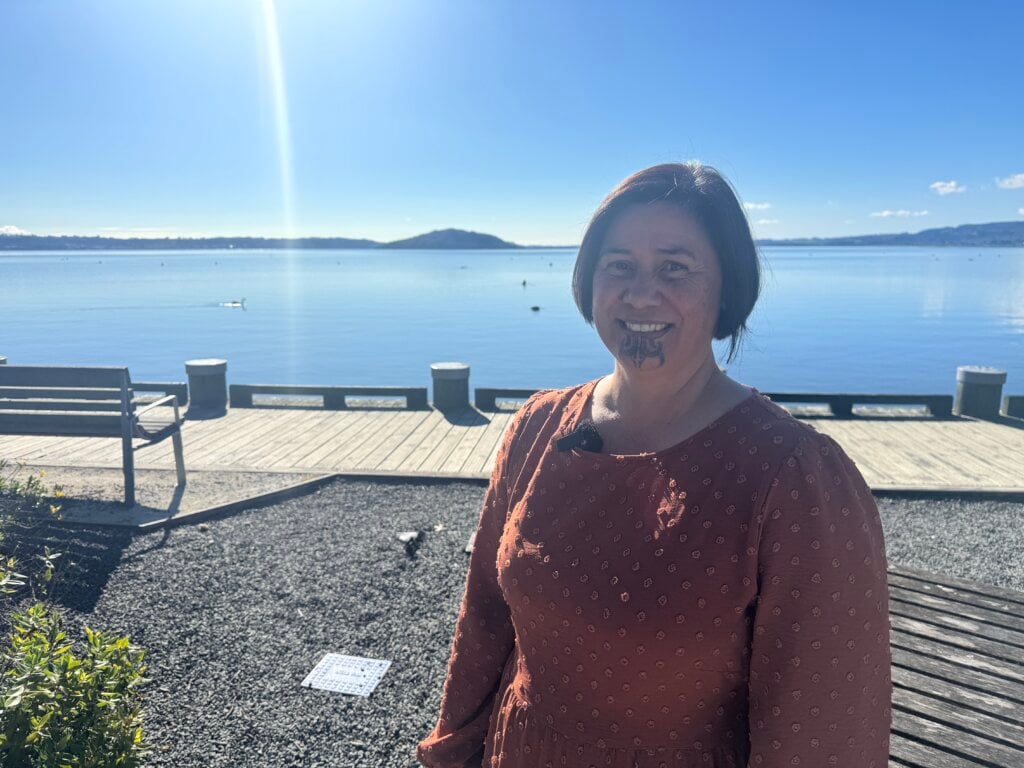
Ngāti Rangiwewehi’s Nicki Douglas
“Mana Whakahono here provided an opportunity for us to have some direct conversations with the council, because a lot of our conversations had been with the Crown,” Douglas said. “But actually, when the rubber hits the road on taiao matters, that’s a council issue,” she said.
Douglas warns that the broader push to remove these agreements is driven by a desire to prioritise economic development over kaitiakitanga.
“When we look at the changes they’re making to the whole resource management system, we can see that they are reaching into our special places, to our resources, for the benefit of people who are not us, for economic development,” Douglas said.
As the Government continues to signal that it will dismantle these agreements in favor of “narrower” participation frameworks, the battle lines are clear. For leaders like Walker, Fletcher, and Douglas, the priority remains local autonomy and the protection of the taonga within their rohe, regardless of the political currents flowing from the capital.
Navigating reform: Toi Moana pledges ongoing support for tāngata whenua
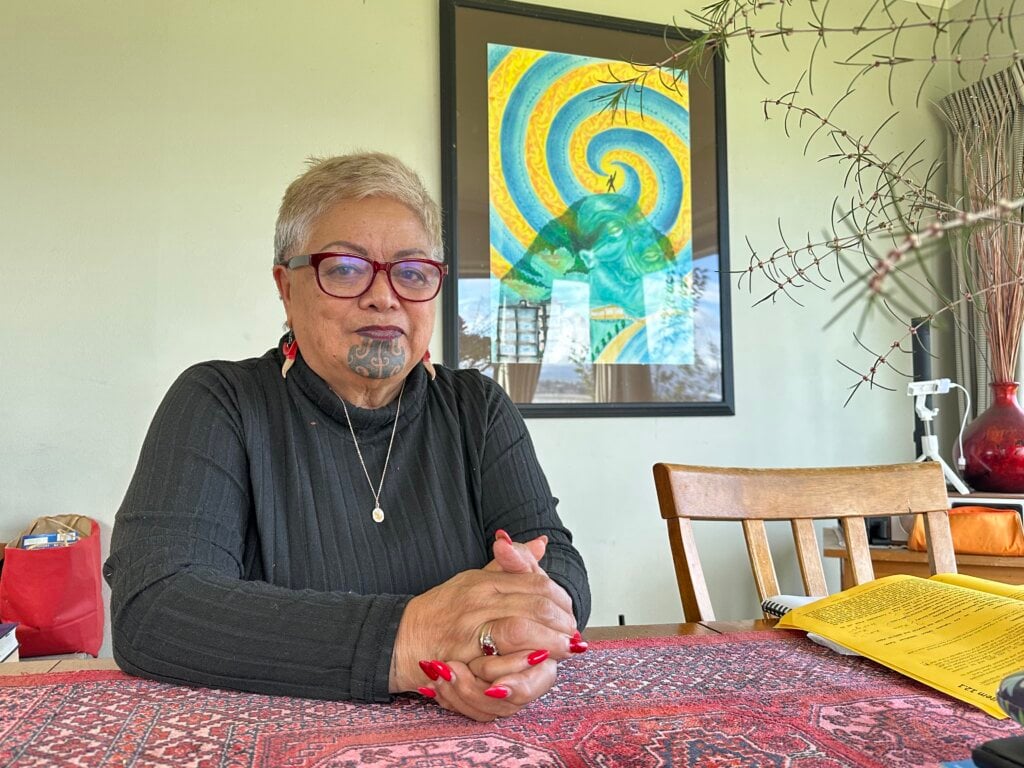
Toi Moana Bay of Plenty Regional Council chair Matemoana McDonald
Toi Moana Bay of Plenty Regional Council was formally notified of the Government’s intention to remove provisions relating to Mana Whakahono ā Rohe in the Planning Bill and Natural Environment Bill on 21 July 2026. This followed the media announcement on 20 July 2026 to the public, advising the same.
While the Government has signalled that Mana Whakahono ā Rohe will be replaced with Iwi Participation Agreements, the process for discussing the content of the agreements is still unknown. Council will continue to inform iwi on the progress of the replacement legislation through to its enactment and implementation. We understand the concern that this has raised but remain committed to providing reliable information as it comes to hand.
Through this time of significant change, we remain committed to nurturing our relationships with tangata whenua.