
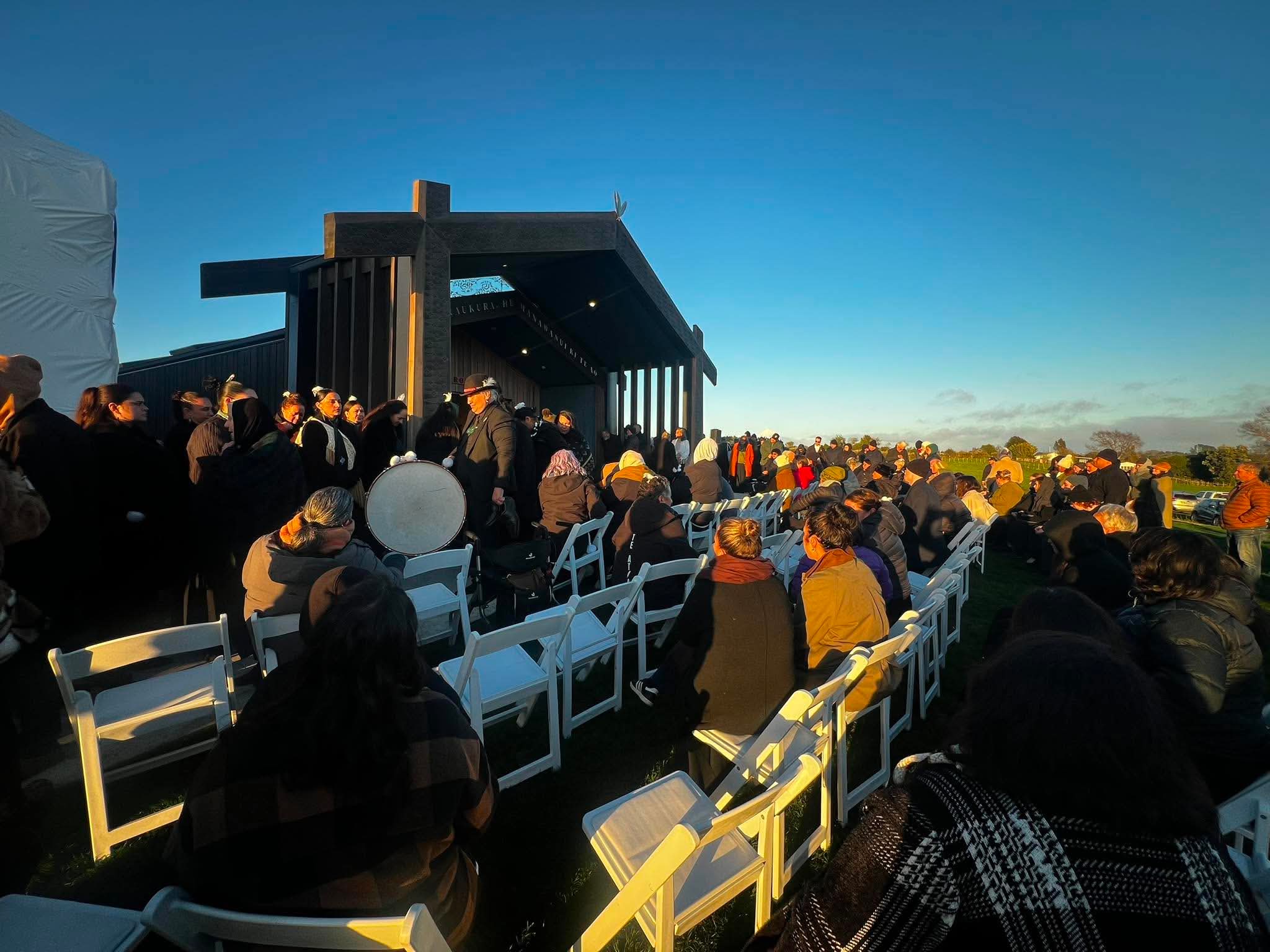


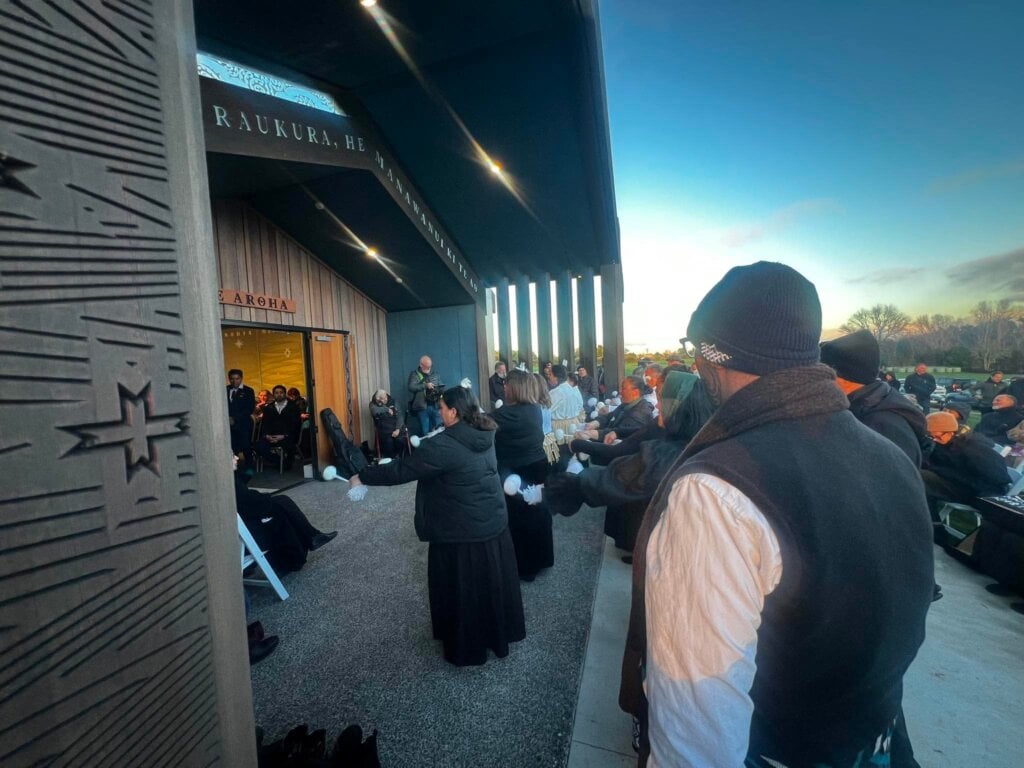
Kei te whakanui a Ngāti Mutunga i tēnei rā i te hokinga o te mauri ki te Pā o Urenui. He rā hirahira tēnei, i te mea kua oti ngā mahi whakahou i ngā whare o te marae, ā, kua hoki mai ngā whānau ki tō rātou kāinga tūturu hei whakamana i ngā moemoeā o ngā tūpuna.
E ai ki te Heamana o Ngāti Mutunga, ki a Jamie Tuuta, “ko te whakatuwhera anō i tō mātou whare a Te Aroha he whare tū mua, he whare tū maru, whare kōrero, wānanga mō te iwi o Ngāti Mutunga, kua koakoa, kua tutuki tēnā āhuatanga i tēnei ata”.
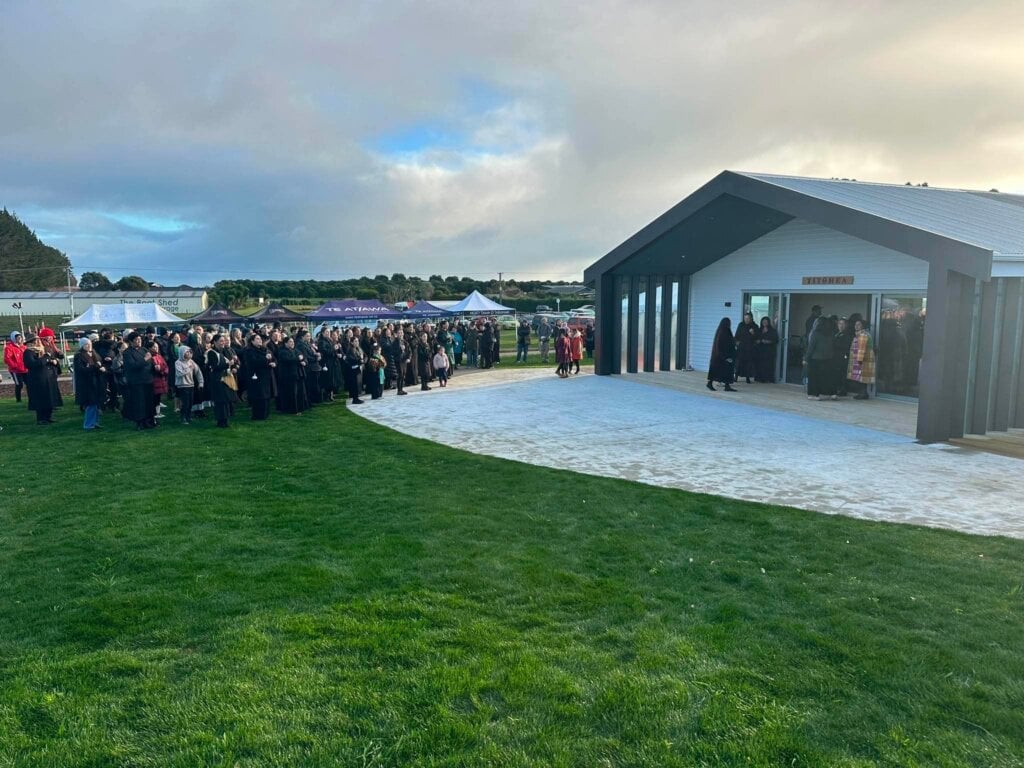
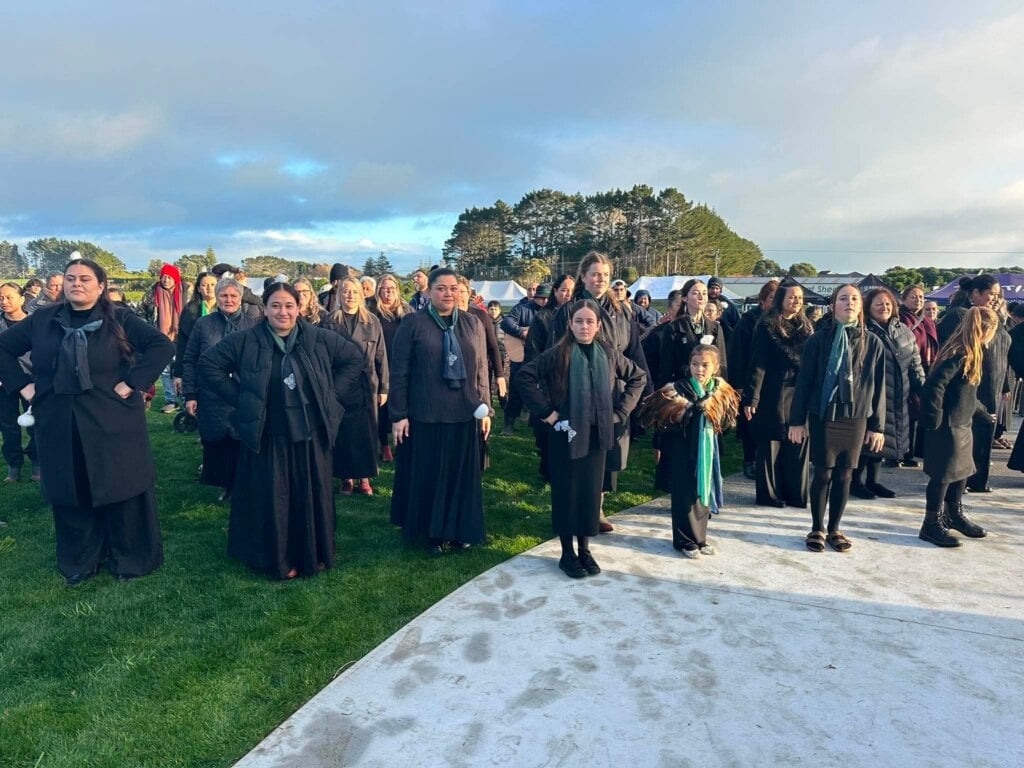
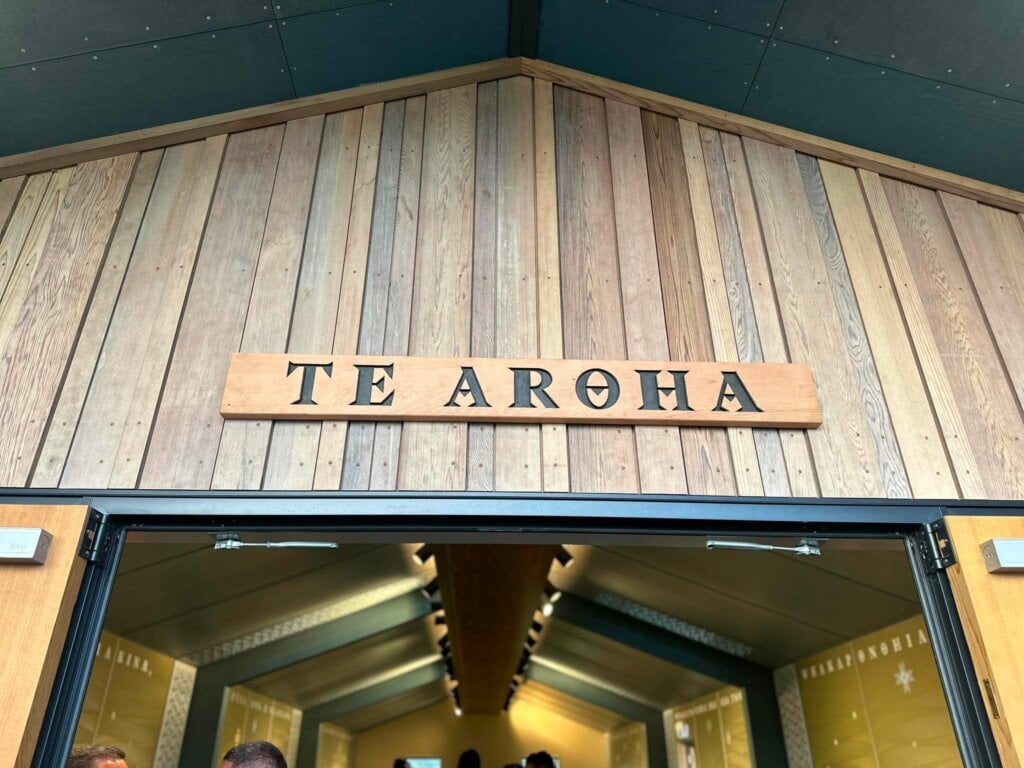
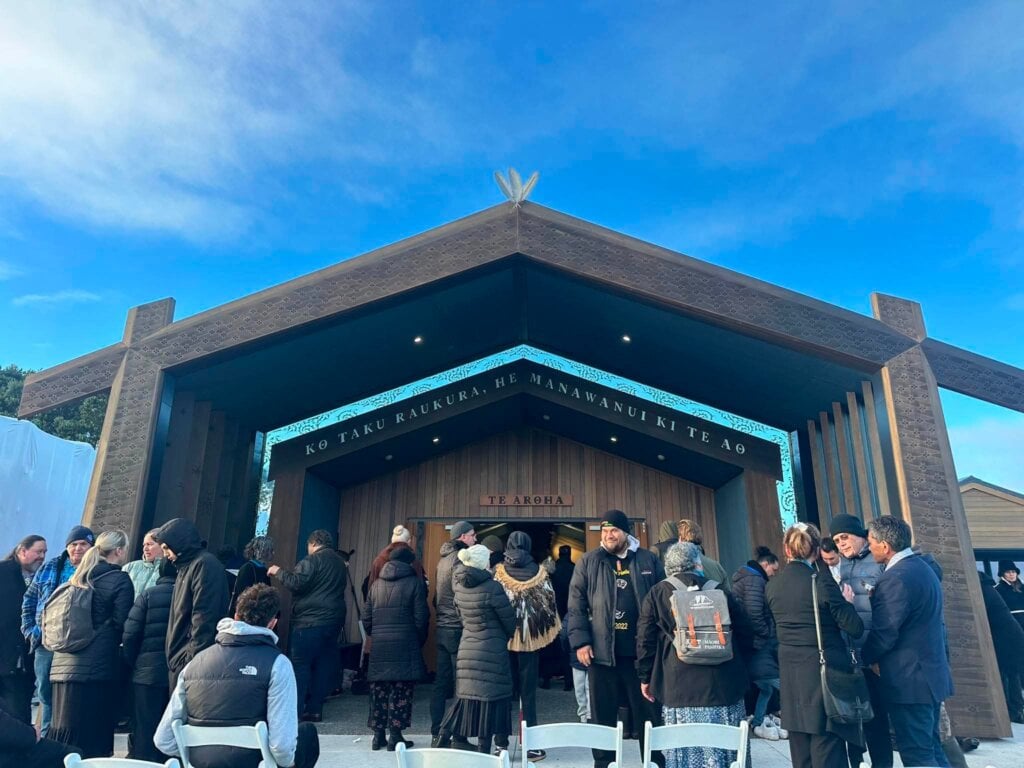
“Ka hoki aku mahara ki te aroha tuatahi me te whakaaro anō hoki ki ō tātau mātua i tērā wā, nā rātau i kohi moni ko ngā kanikani ko ngā purei kāri ki te whakatū i te whare tuatahi. Te turakitanga o tera whare, kua huakina te whare hou a Te Aroha me ona korero hei whare whakaruruhau hei whare kōrero mō ngā uri haere ake nei,” hei tā Jamie anō.
“E rua ngā whakamāramatanga nē, heoi anō etahi ka ki ko te aroha o māui pomare ki tana ki a Ngati mutunga ki ētahi ko te aroha tonu ko tena taonga taonga te aroha e tuitui nei e tuhono nei i a tatau te tangata kia ki a tatu ano heio ki te whenua ki te rangi ki te ahuatanga o te taiao,” hei tāna anō.
Ko te tūmanako nui mō ngā uri whakatupu e ai anō ki a Jamie, “kia rongo ratau i te mauri ora i te wairua ora o tēnei whare ona korero, ona tohutohu ki a rātau kia tu rangatira rātau i te ao nei. Kia uru atu ngā uri ki roto i te whare te putanga mai, kia puta mai rātau ki te whaiao ki te ao marama”.
Preserving the legacy: A Kuia’s perspective
While the reopening is a celebration of the future, it is also a time to reflect on the deep personal history and the lessons passed down by the kuia of Ngāti Mutunga. For Kuia Hurimoana Haami, the marae represents a lifelong commitment to the people and the continuity of tradition.
Hurimoana recalls the specific protocols and discipline instilled by those who came before her. “I was told you don’t go back to the kitchen,” she reflects, sharing the guidance she received from her own elders, including her cousin Theresa Wallace. “Once you come up here to the marae you don’t go back to the kitchen”.
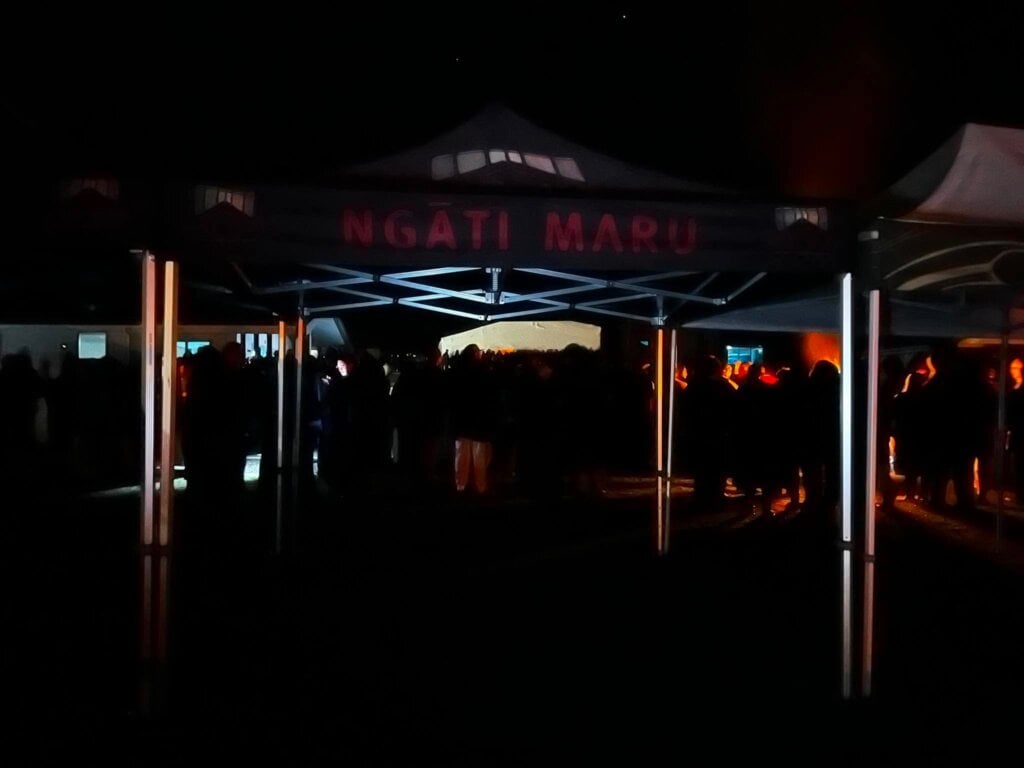
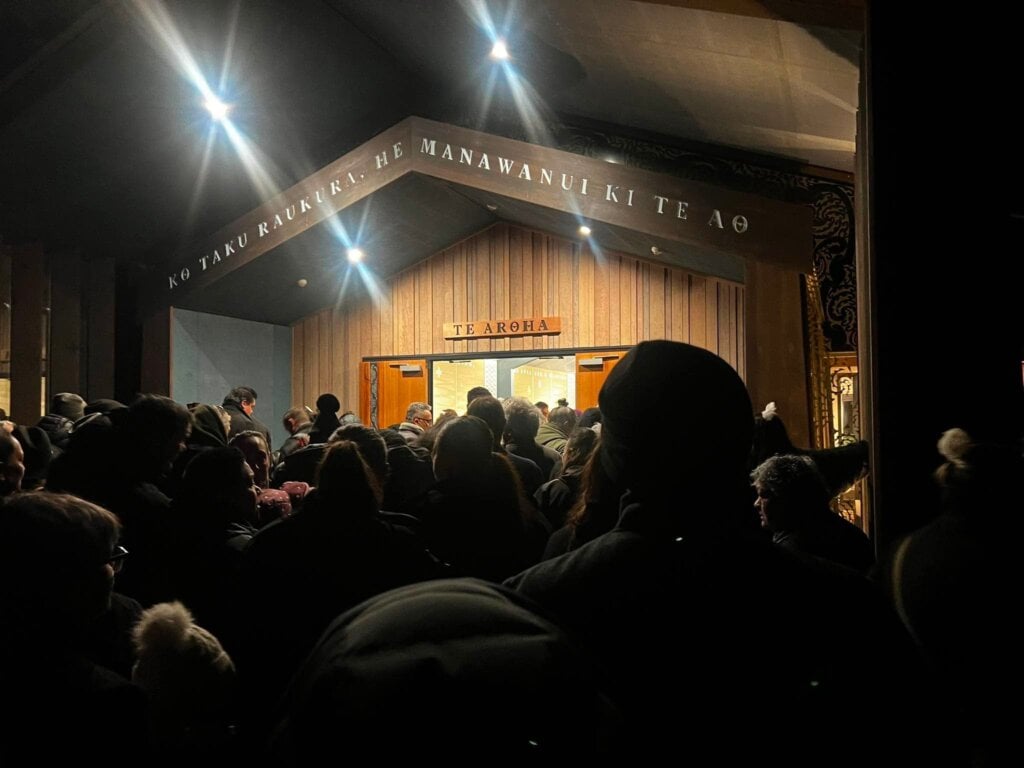
She highlights that the essence of the marae is found in patience and service, specifically in the act of manaakitanga. Reflecting on the hard work involved, she says, “Probably the biggest thing is patience and to be tau manaaki the people, and I guess we learnt lots of things. We learnt how to do the kawakawa, because we used to have in the old whare mattress, we had to set up, and all the spider webs were gone before the manuhiri were gone. You would just do what you would do when you had manuhiri come to your marae”.
For many, this reopening is bittersweet, bridging the gap between old memories and new possibilities. Hurimoana notes, “The house I think is the future for our mokopuna. I feel for some of us the old memories – it’s sad for us. We had all those memories – those who were lying here”. Despite the nostalgia, the renovated Pā stands as a vital foundation for the next generation to carry the tribe forward.