

A $3 million geothermal exploration project will test whether underground heat in Tauranga can help reduce industrial energy costs and support future renewable energy developments.
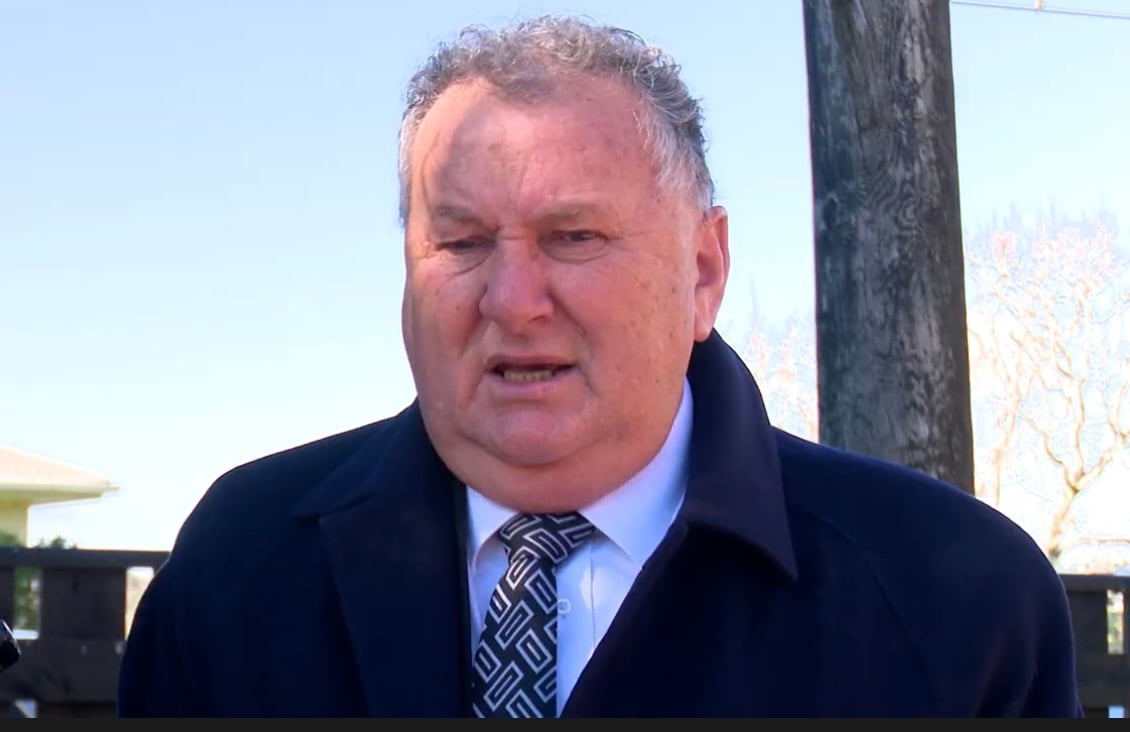
Regional Development Minister Shane Jones has announced funding for the Gas to Geoheat – Tauranga Geothermal System Project through the Regional Infrastructure Fund.
The project will drill two test wells near the Mount Maunganui industrial area and the Te Puke-Rangiuru industrial zone, creating publicly available data on the region’s geothermal resources.
Led by GeoExchange NZ Limited in partnership with local landowners, the early-stage project is expected to support between 15 and 20 jobs during delivery.
Jones said the project was focused on producing heat rather than electricity, with possible future uses including industrial processing and shared neighbourhood heating systems. It was unclear whether or now local iwi would be involved in the projects.
“Tauranga does have a broad range of opportunities for more manufacturing and industry,” he said, adding that geothermal energy in the area had previously been “neglected” and “overlooked”.
He described the investment as “a small but overdue step” towards using geothermal energy in Tauranga and reducing energy costs for industry.
Jones said the Rangiuru locations were identified by technical advisers following engagement with local people interested in diversifying the region’s energy supply. It remains unclear whether Tauranga Moana iwi or hapū are formally involved in the project.
The Government has also announced $12.5 million towards the development of the Ōpōtiki Marina, including a marina basin, wharf, piers, boat ramp and supporting marine infrastructure.
The marina is expected to support up to 87 jobs during construction and strengthen aquaculture operations linked to Te Whakatōhea and the wider eastern Bay of Plenty.
Jones said Ōpōtiki had been neglected and regional communities should not be left behind.
“We should not marginalise regional New Zealand,” he said. “We should continue to find ways to co-invest.”
The next step for the Tauranga project will be determining whether the test wells identify a viable geothermal resource. If successful, the findings could help shape future investment in lower-emissions heating, manufacturing and industrial development across the region.