
High Court rules Rotorua Lakes Council acted unlawfully over Tarawera Sewerage Scheme
UPDATED: 18 AUGUST 2026 6:22 PM
UPDATED — 18 AUGUST 2026 6:22 PM
Following the High Court’s declaration that Rotorua Lakes Council acted unlawfully twice regarding the Tarawera Sewerage Scheme, Council Chief Executive Andrew Moraes has issued a formal response regarding the judgment.
The Court’s ruling, delivered on 13 August 2026, found the Council failed to engage with the Rotokākahi Board of Control and applied incorrect legal principles when assessing the cultural impacts on the tapu ancestral landscape.
In a statement provided to Aukaha News, Moraes acknowledged the decision, stating:
“Rotorua Lakes Council has received the High Court’s decisions in proceedings relating to the Tarawera Sewerage Scheme and the construction of a wastewater pipeline near Rotokakāhi.
“We recognise the cultural significance of this area and acknowledge the strongly held views that have been expressed throughout the project. Council is committed to carefully considering all its findings.”
The Council confirmed it is now undertaking a comprehensive review of the decision to determine its implications and decide on appropriate next steps.
Regarding the project’s current status, Moraes noted that the scheme remains operational. To date, 321 of 408 properties have been connected to the reticulated wastewater network, a measure the Council states is aimed at improving environmental and public health outcomes.
The High Court ruling has been described as a significant legal check on the Council’s decision-making process within the Lakes A Zone.
UPDATED — 17 AUGUST 2026 5:48 PM
Te Arawa Lakes Trust (TALT) has formally congratulated the Rotokākahi Board of Control following a successful High Court challenge that halted the Rotorua Lakes Council’s plans for the Tarawera sewerage scheme.
“This is an important judgment, and we welcome the clarity it brings,” said Wallace Haumaha, Chairman of Te Arawa Lakes Trust. “It affirms that those who hold mana over our lakes must be engaged directly and early on the decisions that affect them. For Rotokākahi, that authority sits with the Rotokākahi Board.”
The Court’s ruling highlighted the necessity of meaningful consultation, noting that the Council failed to engage with the appropriate entities before deciding to move forward. The judge emphasised that consultation must reflect the distinct roles and authorities held by Te Arawa entities – a principle that the Trust argues has implications far beyond the Rotokākahi dispute.
While the Court acknowledged that TALT and the Rotokākahi Board carry separate statutory and settlement responsibilities, it also underscored that their relationship, rooted in whakapapa and history, remains deeply connected.
Looking ahead, TALT intends to use the judgment to press for more structured processes within the Rotorua Lakes Strategy Group. The Trust aims to ensure that future activities affecting the lakes and their catchments are subject to early and effective engagement with those who hold authority, rather than being managed in isolation.
Despite the legal tension, Chairman Haumaha stressed that the Trust remains committed to addressing the health of the Rotorua lakes. “The degradation of these waters is real and it must be addressed,” he said. “What this judgment tells us is that lasting solutions come from getting the process right – from working together, with respect for each other’s roles, rather than around one another.”
In the decision delivered on 13 August 2026
Justice Tahana granted the Board’s application for judicial review, ruling that the Council’s decision-making process – specifically its move to proceed with the scheme without direct engagement – was unlawful. The Court declared both the initial decision and the subsequent notice issued under section 87BB of the Resource Management Act 1991 to be invalid.
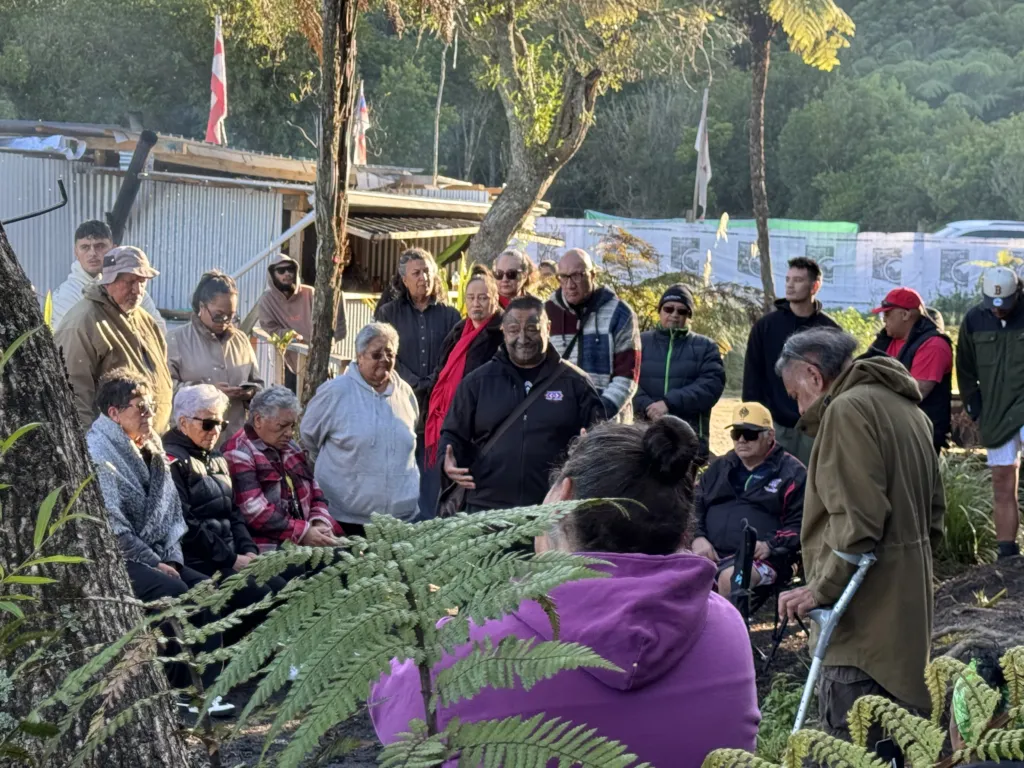
For the Rotokākahi Board of Control, the ruling is a victory in its ongoing efforts to protect the lake, which is regarded as tapu. TALT has backed the Board throughout the process, reaffirming that the Board holds the specific mana to speak for the whānau who whakapapa to the lake.
The High Court has delivered a scathing judgment against the Rotorua Lakes Council, declaring two of its key decisions regarding the Tarawera sewerage scheme unlawful.
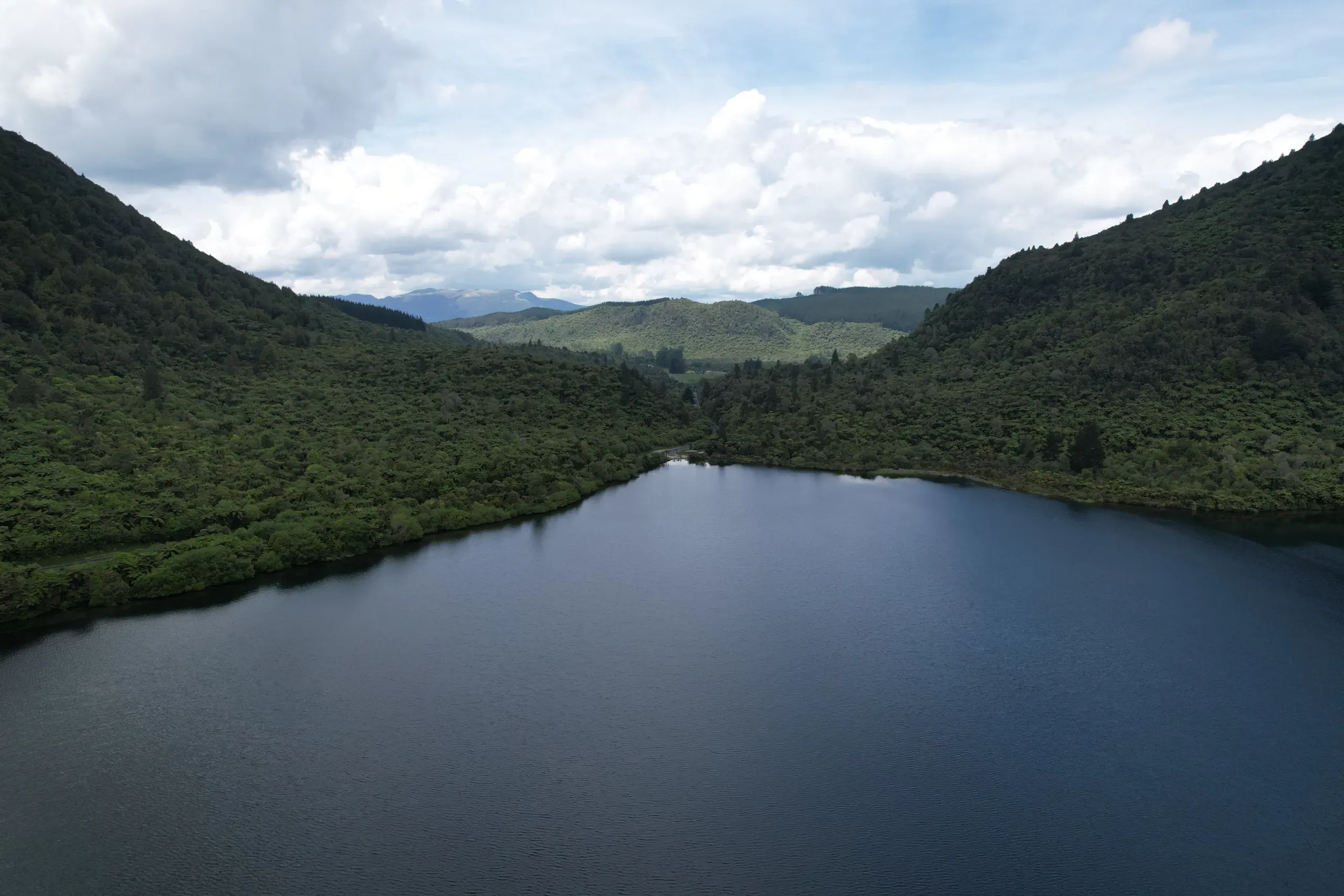
In a ruling released on August 13, 2026, the Court found the Council failed to properly engage with the Rotokākahi Board of Control before proceeding with infrastructure works near Rotokākahi, a lake considered tapu by its legal owners Tūhourangi and Ngāti Tūmatawera.
The Court’s decision, Rotokākahi Board of Control v Rotorua District Council [2026] NZHC 2380, invalidates the Council’s initial decision to proceed with the scheme and its subsequent use of a section 87BB notice, which had exempted the project from requiring resource consent.
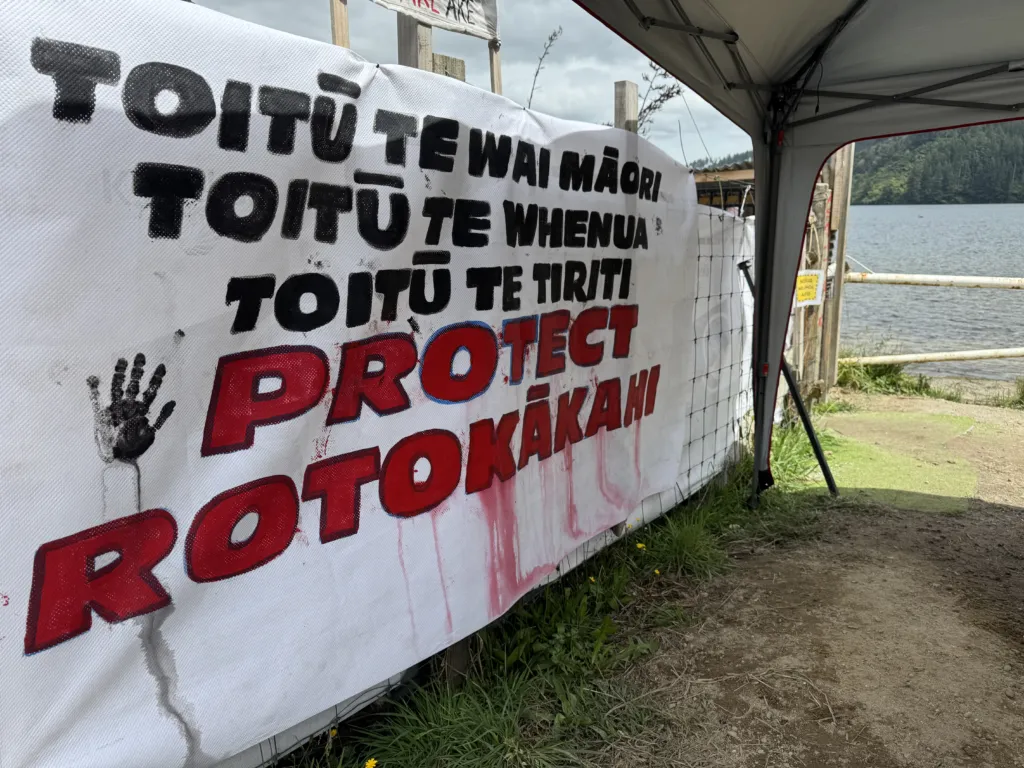
“Wrong Legal Principle”
Justice found the Council’s process flawed on multiple fronts. Despite being aware of the Board’s “grave concern” regarding the project, the Council failed to seek the Board’s views, effectively bypassing the required consultation.
Furthermore, the Court ruled that the Council operated on a “wrong legal principle” by ignoring protections inherent in its own planning documents for the Lakes A Zone. These documents explicitly stated that resource consent was mandatory for the earthworks involved in the sewerage project.
In its decision to bypass the resource consent process using a section 87BB notice, the Council argued that the cultural effects of the works were “less than minor.” The High Court rejected this, stating that the Council had measured the duration of the earthworks rather than their cultural impact on the sacred landscape.
“Not the End”
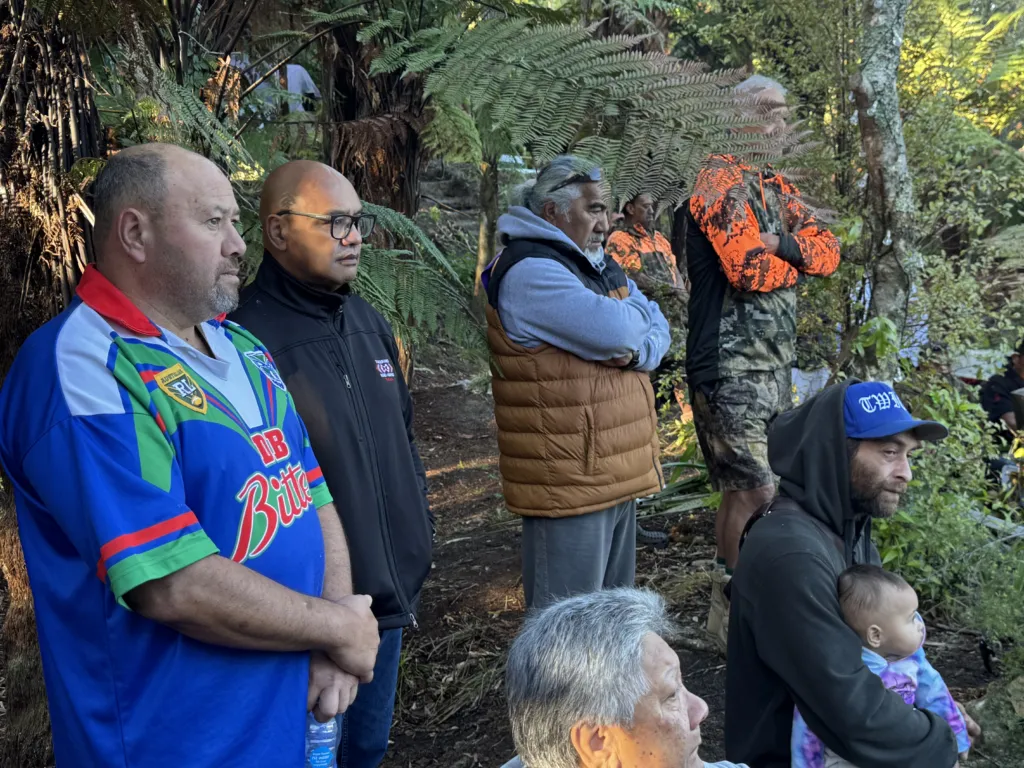
For the Rotokākahi Board of Control, the judgment serves as a significant vindication. Board Chair Wally Lee described the findings as “serious” and demanded accountability.
“The pipeline may now be in the ground, but completing the works does not erase the unlawful decisions that allowed them to proceed, nor the cultural, environmental and intergenerational consequences our people are left to carry,” Mr Lee said.
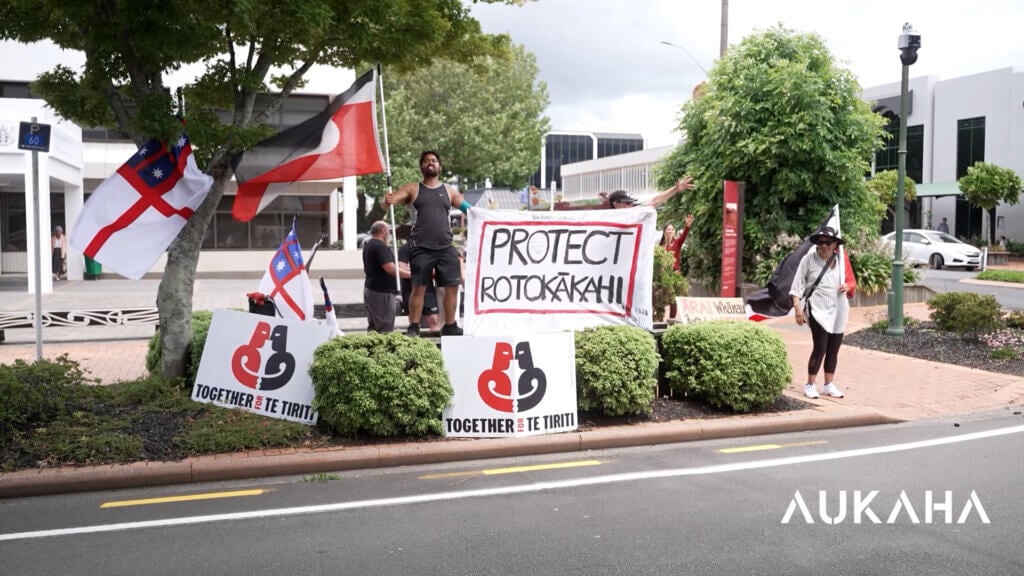
The ruling also highlights the tension between the Council and the local community. During the development of the project, the Council sought a court injunction against protesters, an action funded by ratepayers. The High Court’s ruling confirms that those community members were opposing what has now been legally identified as the Council’s own unlawful conduct.
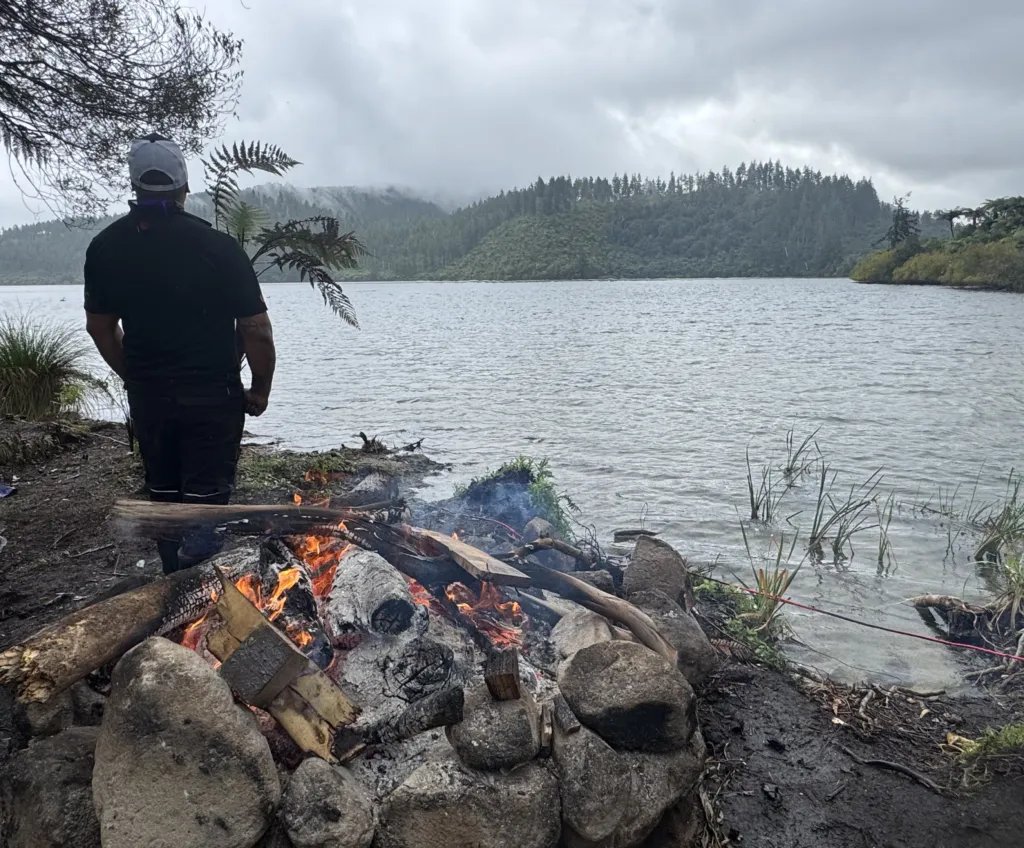
Te Whatanui Skipwith, representing the group Protect Rotokākahi, stated that the ruling validates a two-year campaign. “The High Court has now confirmed that our concerns were justified,” Skipwith said
Mr. Lee confirmed that the Board is currently reviewing the judgment and seeking further legal advice, noting that the iwi remains clear that “unlawful decisions affecting Māori-owned whenua and a tapu ancestral landscape cannot be made without consequence”.
The Rotorua Lakes Council has been contacted for comment.