


Taranaki’s councils face a critical deadline today, August 9, 2026, to submit their ‘Head Start’ proposals under the central government’s Simplifying Local Government reforms. While the mandate aims to drive efficiency through consolidation, it has triggered widespread concern across the region.
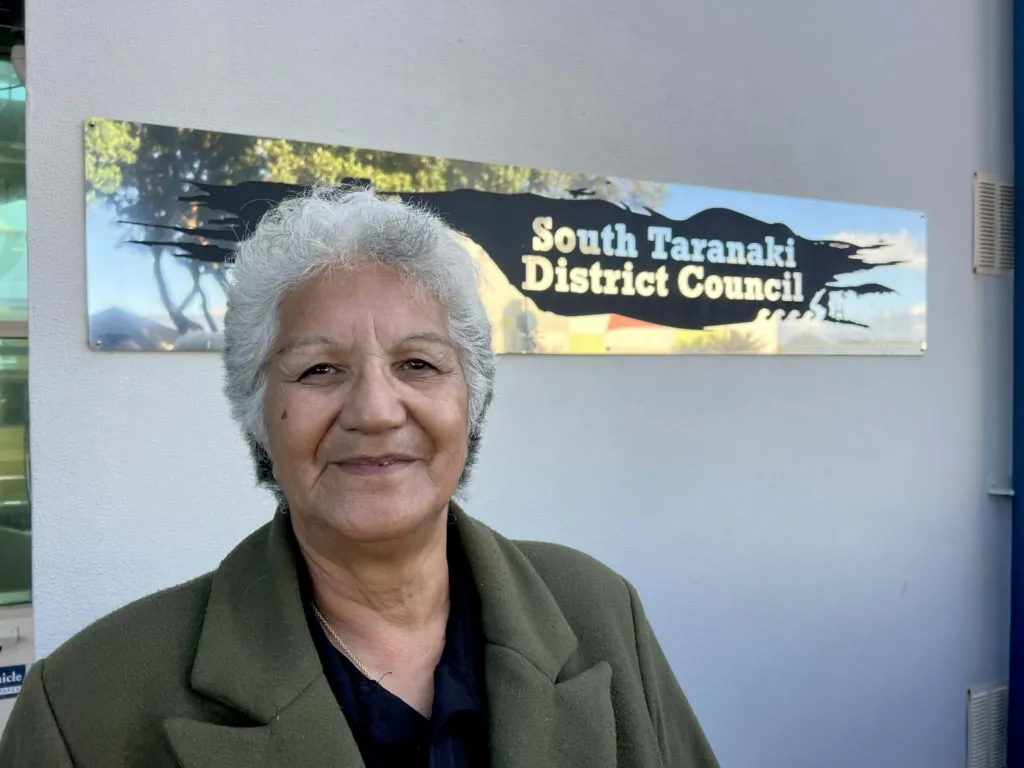
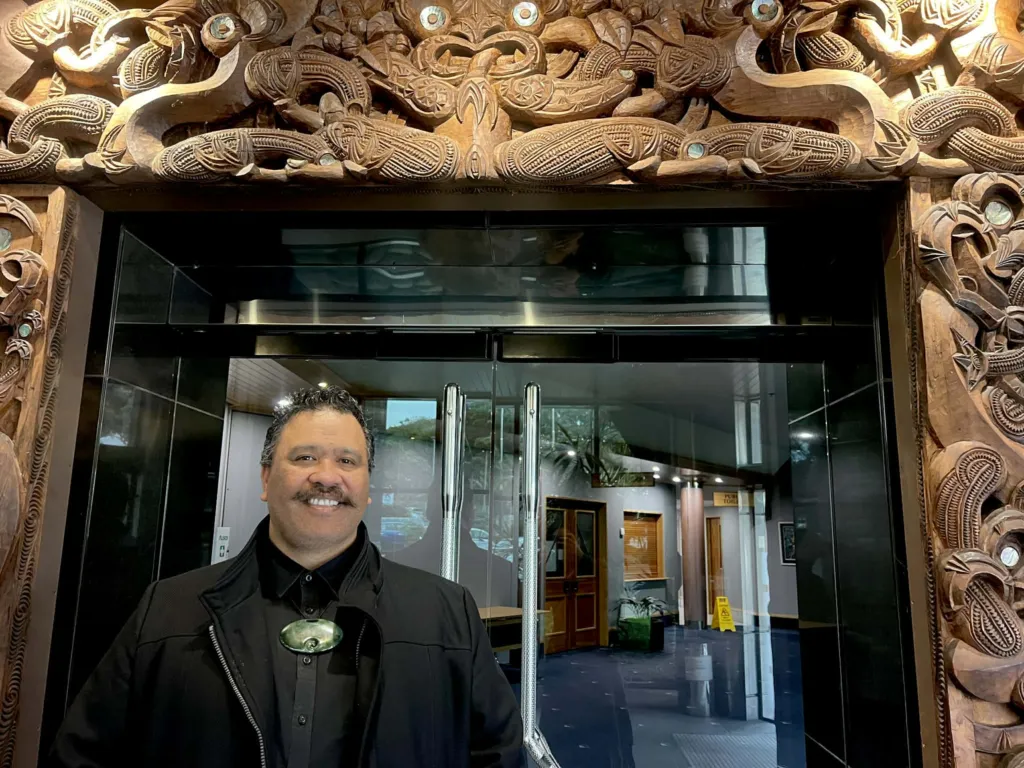
At the forefront of this resistance are the region’s Māori Ward councillors – Dinnie Moeahu of New Plymouth District Council, Cheryl Luke-Maraki of South Taranaki District Council, and David Chadwick of Stratford District Council.
Speaking on behalf of their local Māori constituents, these representatives argue that the government’s rapid, three-month timeframe threatens to undermine local democracy, silence rural voices, and neglect vital Treaty settlement obligations.

The New Plymouth Perspective
Dinnie Moeahu, a Māori Ward councillor at New Plymouth District Council, has been vocal about the systemic risks inherent in such a rushed process. He warns that without sufficient data or time, the region risks permanent damage to its governance structures.
“What I don’t agree with is the short time frame. There can be arguments that… because they’re wanting to focus on efficiencies, yet they’ve provided no data on what that looks like,” Moeahu said. “What we are seeing is there is an opportunity for us. It should be to strengthen local democracy, not weaken it. And I think with such a short time frame, we are at real risk of losing our local community’s voices,” he said.
However, Moeahu also sees a path forward if the reforms are handled correctly, framing the disruption as a chance for constitutional improvement: “There are things that are statutory that we must comply with. But then it provides the opportunity: how do we constitutionally transform the local government sector to entrench or embed Māori representation moving forward? And I think that’s a beautiful opportunity that we have here in Taranaki.”
The South Taranaki Stance
Cheryl Luke-Maraki, a Māori Ward councillor for South Taranaki District Council, describes the reform process as functionally stalled. She highlights the acute fear among her constituents that a single, centralised unitary model would effectively disenfranchise smaller, rural communities.
“We in the south are very aware that we don’t have the numbers. We are very aware that representation under a one unitary model could absolutely deny us our voice,” Luke-Maraki said. She likens the lack of clear direction from the government to a failed flight. “We don’t know what a lot of things look like. The government has given us a plane that’s been fueled, that’s totally grounded, with passengers still sitting there and the pilots still sitting there wondering when they’re going to get to take off,” she said. “As a community, it is very worrying. There are so many layers that have to be unpacked, and we’re not sure what they’re going to look like.”
The Stratford/Whakaahurangi Alternative
Māori Ward councillor David Chadwick from Stratford District Council, has carved out a unique position by proposing a ‘two-unitary-council’ model, which would see Stratford and South Taranaki combine while New Plymouth remains a separate authority. Chadwick contends that this approach is the only way to ensure the region’s diverse voices are not lost in a sea of consolidation.
“The feedback I received was supportive of the two-unitary approach, particularly as a way to ensure Stratford/Whakaahurangi retain a strong local voice and are not overshadowed within a larger governance structure,” Chadwick said. Regarding the integration of Māori perspectives, he emphasized that this is non-negotiable: “The voice of mana whenua, iwi, hapū and the wider Māori community will be critical to the detailed design process,” he said.
“Any future representation arrangements will require meaningful engagement and consultation with iwi, hapū and communities before decisions are made.”
A Unified Front
Collectively, these three Māori Ward councillors represent a unified front against a “one-size-fits-all” approach.
Whether they are demanding more data, critiquing the lack of engagement rules, or proposing alternative structural models, their message is consistent. Local government reform cannot come at the expense of Māori representation or the unique identity of Taranaki’s communities.
As it’s the August 9 deadline today, the question remains whether the government will prioritise the efficiency of a centralised model or the vital, democratic voices of the hapori they are sworn to serve.