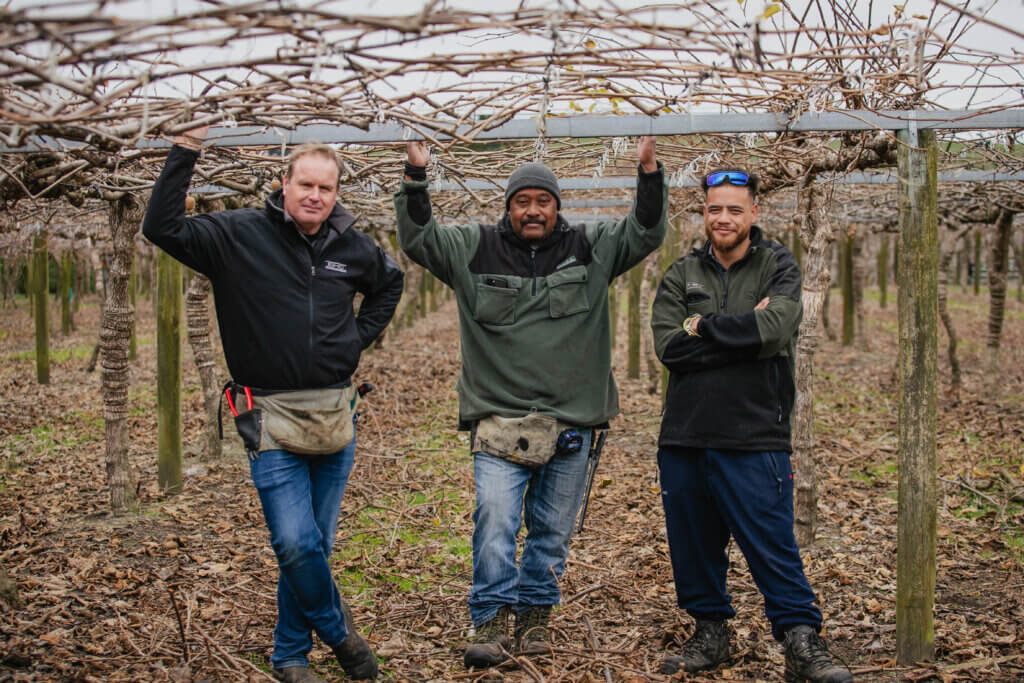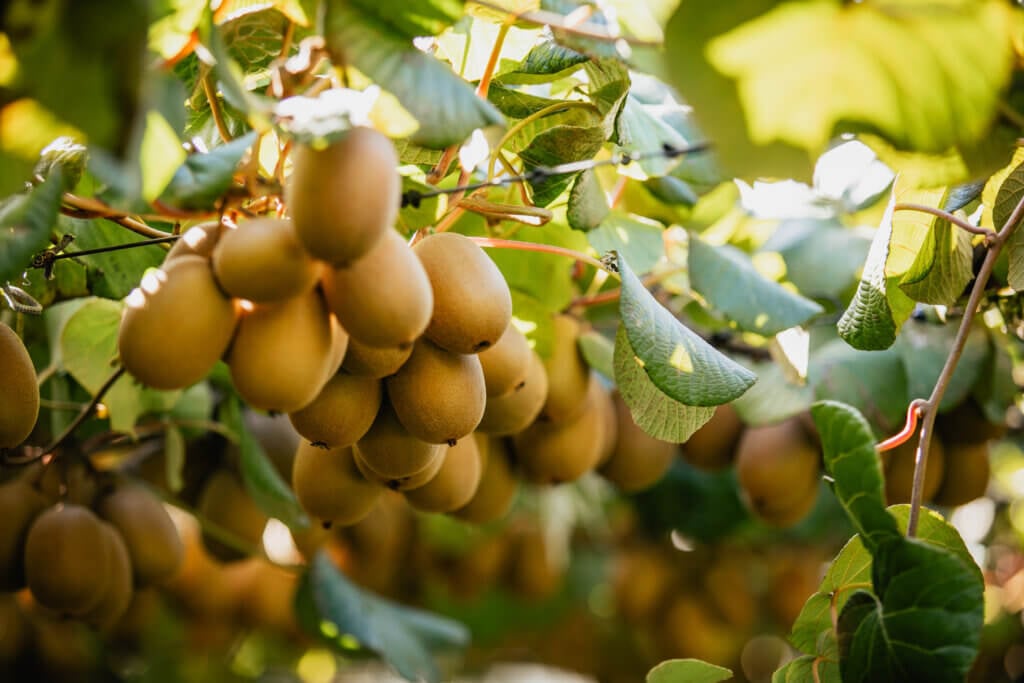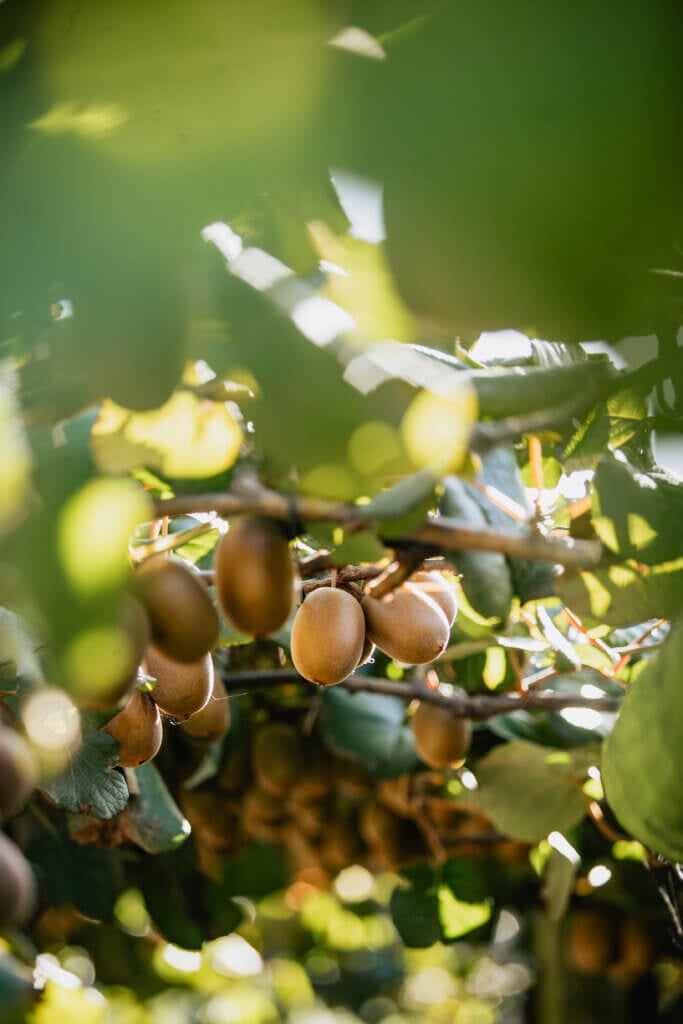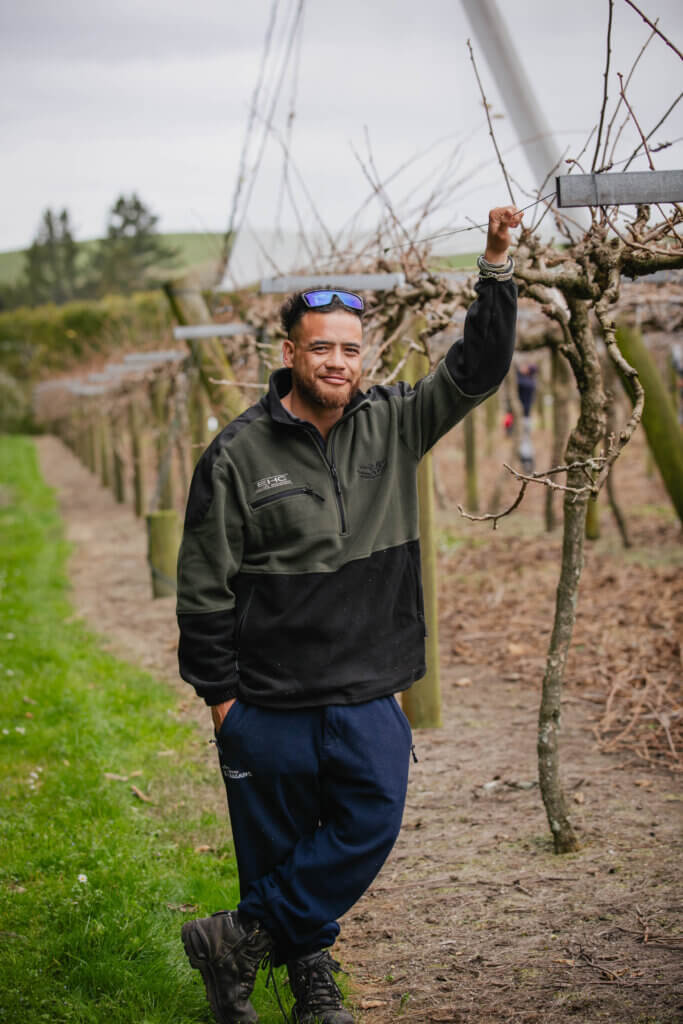


The Bay of Plenty’s $130 million Mātai Pacific Iwi Collective has secured Māori horticulture’s highest honour, winning the prestigious 2026 Ahuwhenua Trophy Award tonight at a gala dinner in Whangārei.
The kiwifruit enterprise, collectively owned by Te Arawa, Ngāti Awa, and Rotomā No.1 Incorporation, was recognised for its excellence, innovation, and long-term stewardship of the whenua.
Speaking after the win, Tiaki Hunia of Matai Pacific reflected on the significance of the achievement: “We’ve lost some huge leaders in te ao Māori over the last month you know it’s a real reality check when you hear about what they’ve done and when you hear about what we’ve done as Matai Pacific in a relatively short amount of time it’s pretty good but it doesn’t compare to those rangatira who we’ve lost.”
Māori Development Minister Tama Potaka highlighted that Māori horticulture is helping drive jobs, exports, and economic opportunity across Aotearoa. The Minister said Mātai Pacific Iwi Collective is a clear example of the growing strength of the Māori economy and the increasing success of Māori enterprise.
The collective, valued at more than $130 million, has made an important contribution to its local economy, created opportunities for whānau, and helped build capability across the sector. Since 2020, the business has returned almost $20 million back to its more than 50,000 beneficiaries, while upholding its philosophy of “Oranga Whenua, Oranga Tangata” (Healthy land, healthy people). Since purchasing its orchards in 2018, production has grown from just under one million trays of kiwifruit to nearly one-and-a-half million trays a year.
“The Ahuwhenua Trophy remains one of the highlights of the Māori agribusiness calendar and continues to showcase the innovation, resilience, and ambition that exists across the sector,” Minister Potaka said, adding, “Tēnā ko te toa mahi kai e kore e paheke, a warrior who works hard at growing food will not fail”.
The Ahuwhenua Trophy, the most prestigious award in Māori farming, celebrates excellence and innovation across New Zealand’s pastoral and horticultural sectors. The competition operates on a three-year cycle covering dairy, sheep and beef, and horticulture.
“Mātai Pacific Iwi Collective is a clear example of the growing strength of the Māori economy and the increasing success of Māori enterprise,” Potaka says.
“Their achievements reflect a commitment to excellence, innovation, and long-term stewardship of the whenua.”
“It is encouraging to see Māori enterprises such as Mātai Pacific Iwi Collective continuing to create opportunities for communities while contributing to the wider New Zealand economy.”