
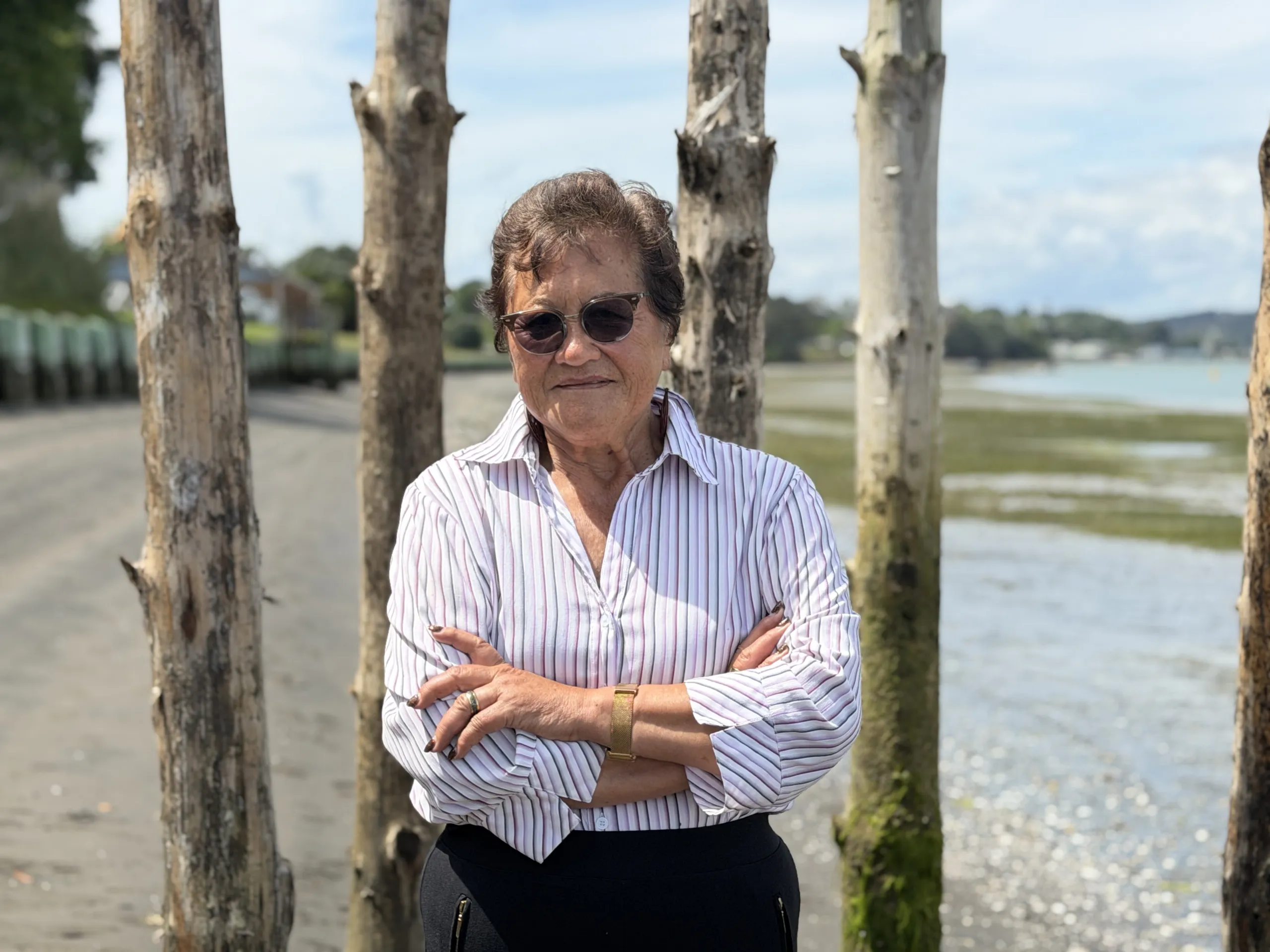

Māori landowners in Kāwhia have issued a firm warning to the public, declaring that Māori land is not a public road and demanding an immediate end to vehicles destroying their fragile coastal environments and traditional food sources.
After two decades of government inaction, the Onepū Charitable Trust has taken matters into its own hands, installing nearly 70 poupou across two freehold Māori land blocks – Maketū D2B2 and Maketū E No 1 freehold near Maketū Marae. The blockades are designed to stop vehicles from tearing up the beach and driving into Te Ārai o Te Wiwini, a vital local lagoon that serves as a treasured pātaka kai for manawhenua.
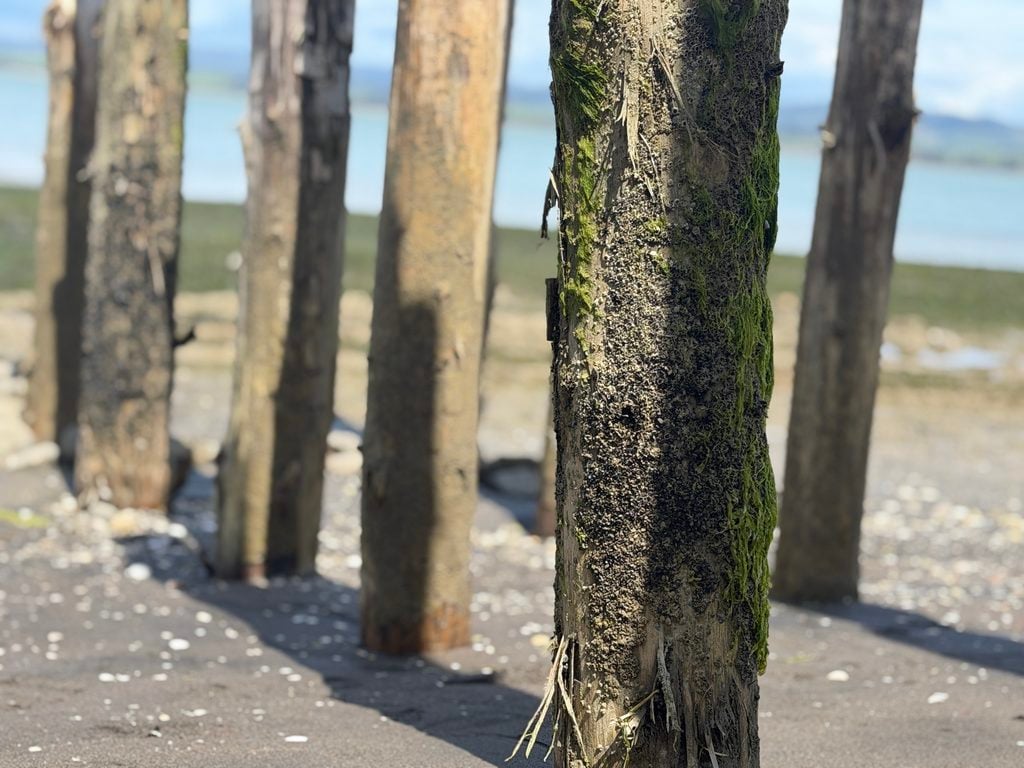
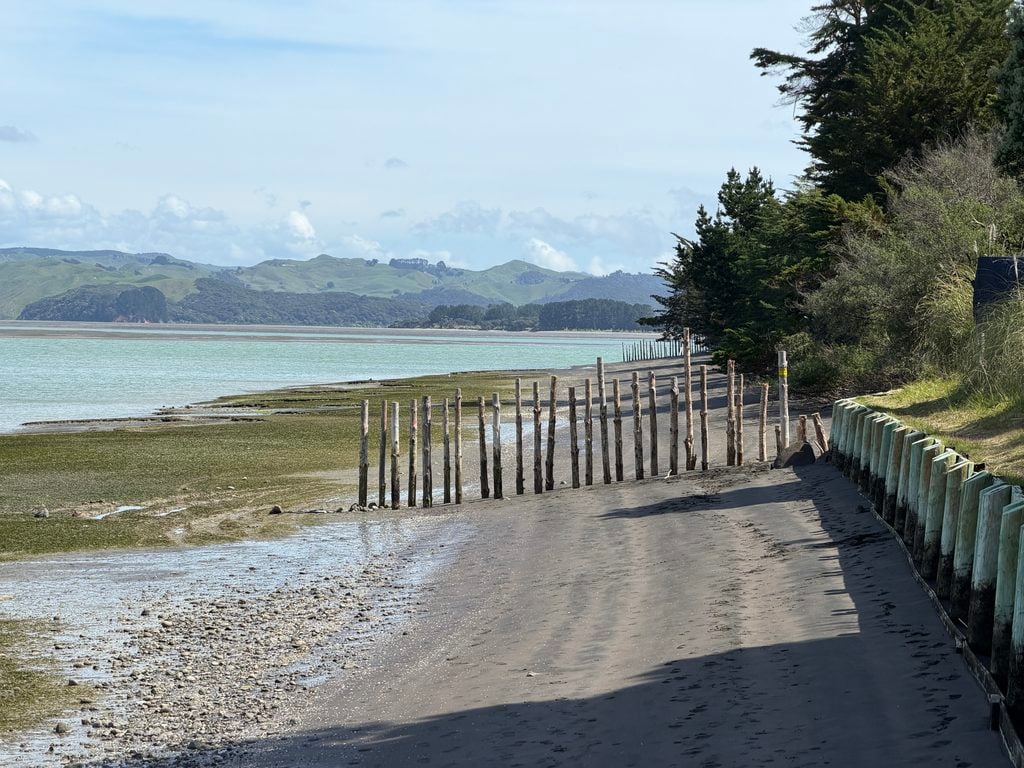
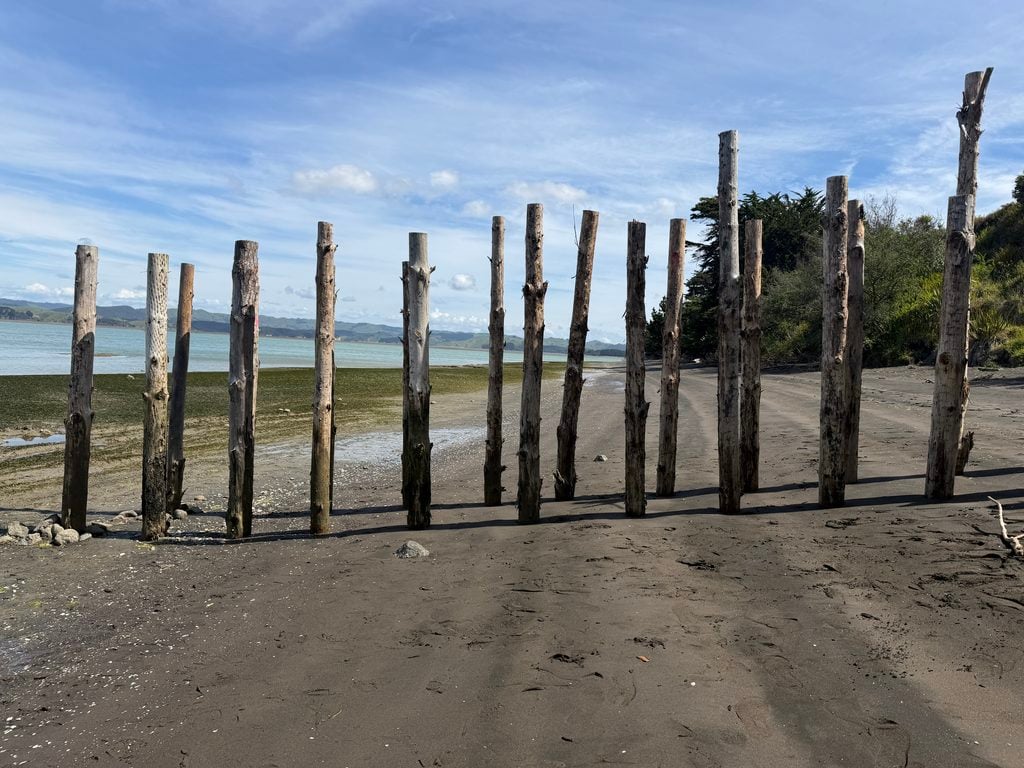
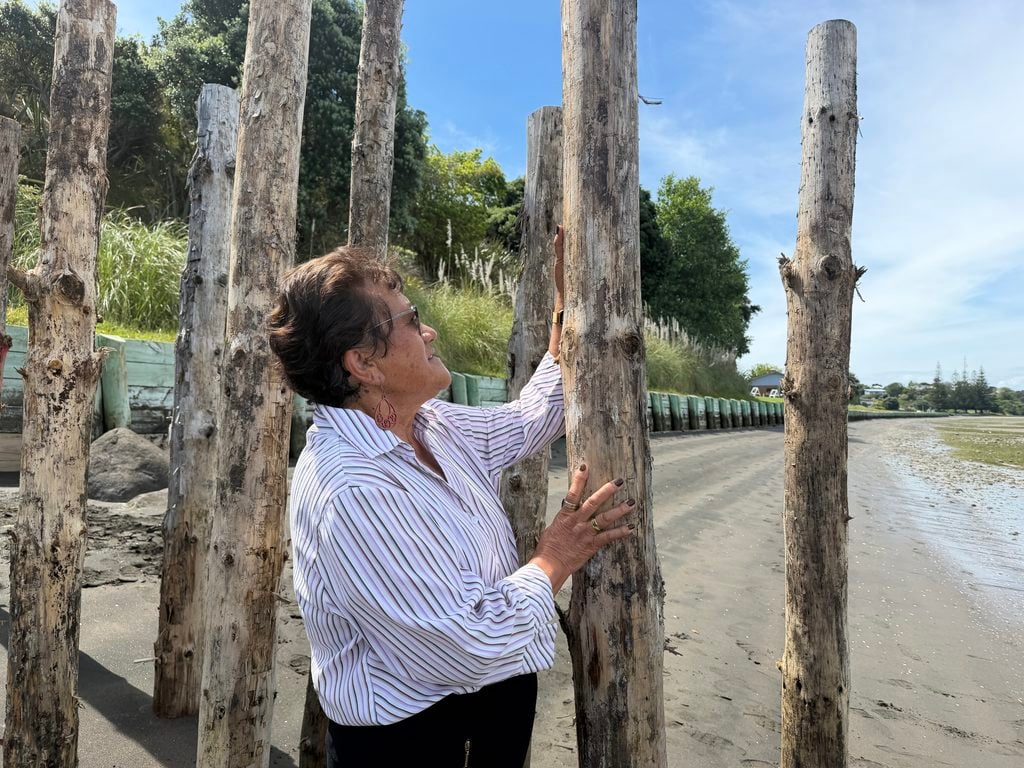
Onepū Charitable Trust Chairperson Horahaere Scott said the community has had enough of the blatant disregard for Māori property rights and the ongoing environmental damage.
“The vehicles that go past, they go into Te Ārai o Te Wiwini which is commonly known as the lagoon and the lagoon is our pātaka kai,” Scott said. “People think that this is a public road and I’m saying no it’s not. It’s our land.”
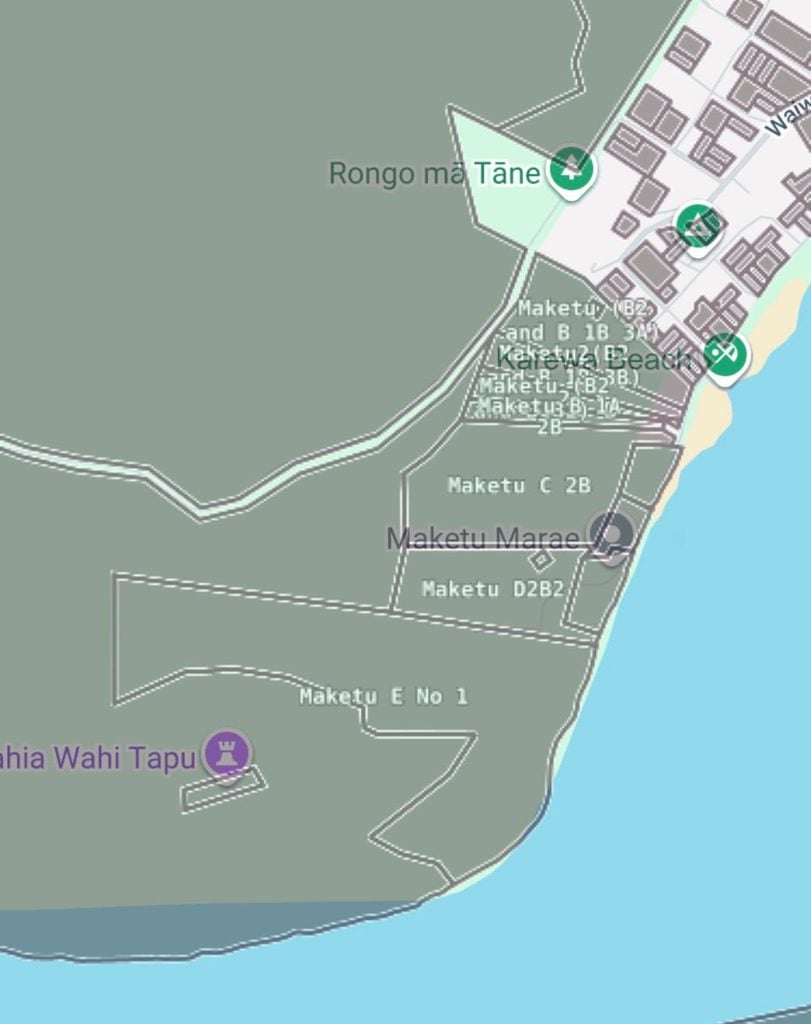
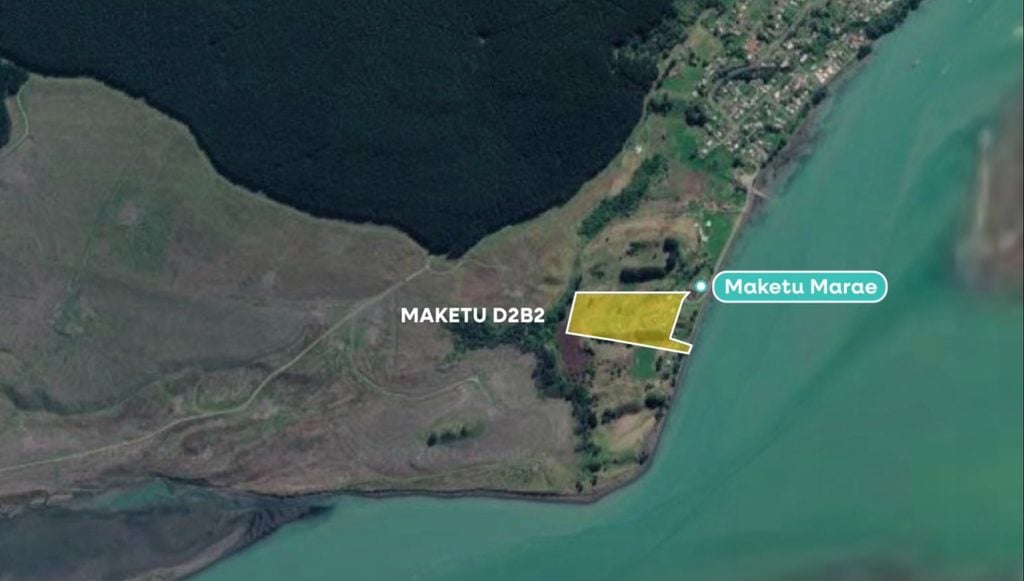
Despite putting forward a petition to the Ōtorohanga District Council two years ago requesting an alternative access way to Ocean Beach and Te Puia Springs, landowners say nothing materialised, forcing them to erect the physical barriers. Although the Trust has since received a letter demanding the removal of the poles, Scott remains steadfast.
“I received a letter to ask us to remove the poles but that’s not going to save our kaimoana,” Scott said. “So that is why the poles are still up now. We refuse to pull them down until we get a satisfactory whatever on what is going to happen.”
According to Scott, the fragile ecosystem and shellfish beds are already showing signs of healing since the blockades went up. A pivotal meeting is now pending between the Trust, the police, Ōtorohanga District Council, and Waikato Regional Council to discuss a permanent vehicle closure for the beach.