

The Labour Party has unveiled a major infrastructure and employment policy package aimed at kickstarting construction projects, supporting local businesses, and getting Kiwis back to work amid an 11-year high in unemployment.
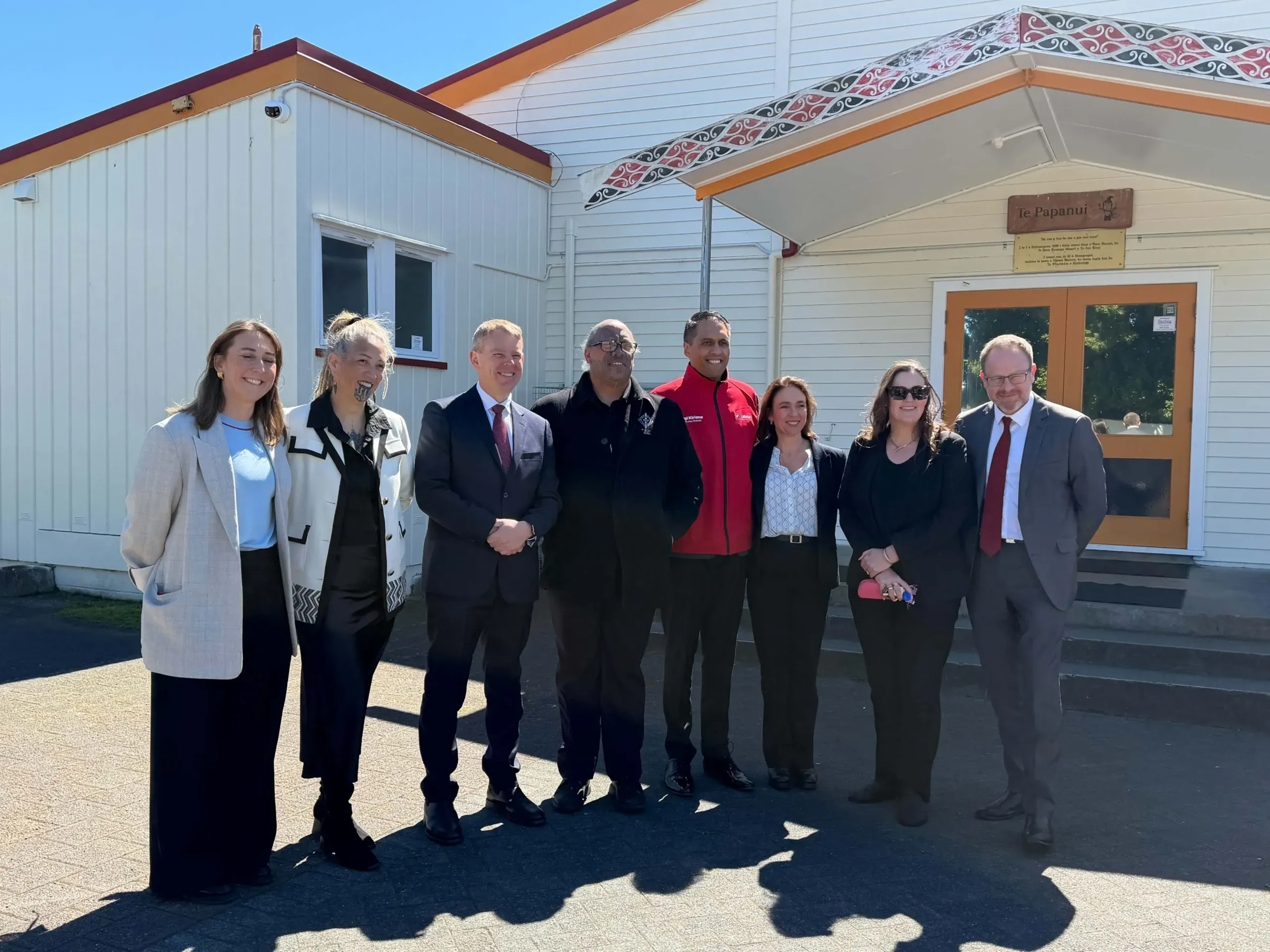
Speaking following their education and infrastructure policy announcement at Te Wharekura o Kirikiriroa in Hamilton, Labour Leader Chris Hipkins outlined the party’s plan to address the country’s backlog of public facilities and infrastructure.
“Labour will build the infrastructure New Zealand needs, create jobs, and ensure the benefits return to local businesses and communities,” Hipkins said. “Right now, homes need building, schools need improving, and hospitals need fixing. We can do all three while creating good jobs for Kiwis.”
Under the proposed policy, Labour has committed to delivering:
- More Social Housing: At least 6,000 additional social housing places over four years.
- School Upgrades: Infrastructure improvements across more than 2,000 state and integrated schools nationwide, creating opportunities for local trades and businesses.
- Hospital Infrastructure: Tackling long-overdue repairs to ensure hospitals remain safe, reliable, and fit for purpose.
- Trades Training: Expanding the Apprenticeship Boost initiative and Māori Trades Training to support more people into skilled qualifications.
Labour’s jobs and incomes spokesperson Ginny Andersen emphasised the broader community impact of government investment in local trades and suppliers.
“Unemployment under National is at an 11-year high. We need to get Kiwis back to work. That means building homes, fixing schools, and repairing hospitals, not sitting on our hands,” Andersen said. “Labour wants local businesses winning work and communities benefiting from investment in their future.”
The policy aims to give the construction sector greater long-term certainty while ensuring local suppliers, apprentices, and community businesses benefit directly from public investment.
Ka hāpai Te Rōpū Reipa i ngā mahi hanganga mō ngā whare pāpori, ngā kura, me ngā hohipera
Kua panonitia e Te Rōpū Reipa tana kaupapa here mō ngā wharekura me ngā mahi hanganga i Te Wharekura o Kirikiriroa, me te kī mā tēnei e whakakaha ake ngā kura me ngā kainga huri i te motu.
I te ata nei, i tae atu ngā mema o Reipa ki Kirikiriroa ki te rongo i ngā hiahia o te kura, me te whakaatu i tā ratou mahere hanganga hei tautoko i ngā tamariki me ngā whānau.
Hei tā te kaitono mō Reipa ki Hauraki Waikato, tā Kingi Kiriona, he mea nui tonu te uru mai ki te kura i tēnei ata ki te whakaara ano i ngā moemoeā kua oti te whakataha e te kāwanatanga o nāianei.
“I te ata tonu nei, tuatahi, he koanga ngākau kua tae mai ki Te Wharekura o Kirikiriroa. I te wā ko Reipa te Kāwanatanga, he mea whakamana e mātou te whakaaro kia whiwhi kura hou, kia whiwhi whare hou, kia whiwhi kura hou Te Wharekura o Kirikiriroa. Ka mai a Nāhinara, ka whakatahangia tērā,” hei tā Kingi anō.
“I tēnei wā, he neke atu i te toru rau ngā tamariki kei te kura nei. Kei te rārangi tatari, he toru rau tamariki atu anō. Nō reira, koinā ahau e kī nei, me tae mai ka tika, kia rongo ai Te Rōpū Reipa, otirā te kaiarataki tonu i ngā waha o te tumuaki me ōna hoa whakaako i ngā taumahatanga o tērā. He rārangi toru rau tamariki kei waho i te kēti e tatari ana kia uru i roto i te kura,” hei tāna anō.
“Nā Reipa i whakamana i te tono kia whiwhi kura hou, nā Nāhinara i whakakāhore. Nō reira, ehara i te mea kāore a Reipa i te tautoko, i tautoko i taua wā, ka tautoko ā haere ake nei.”