
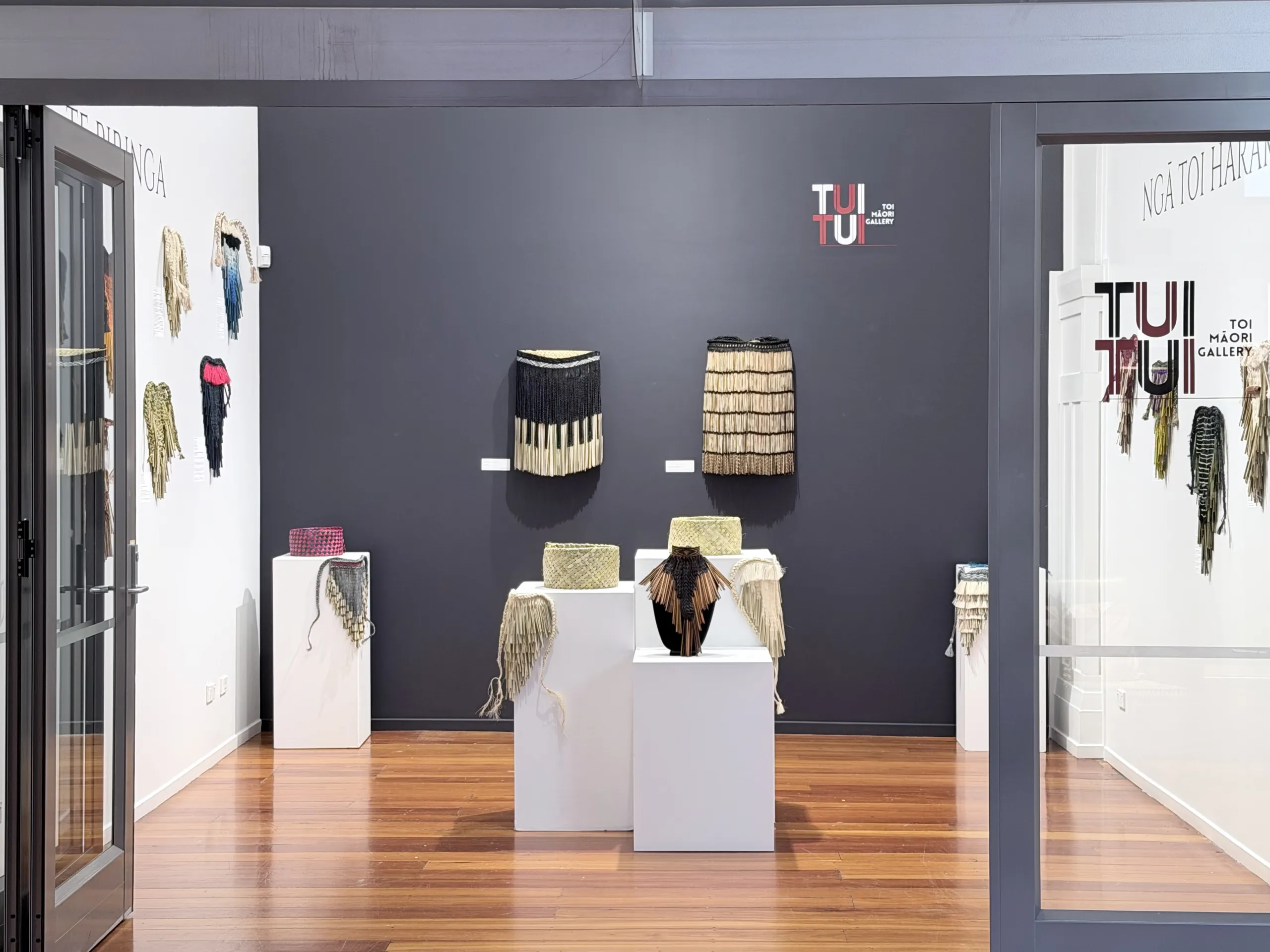

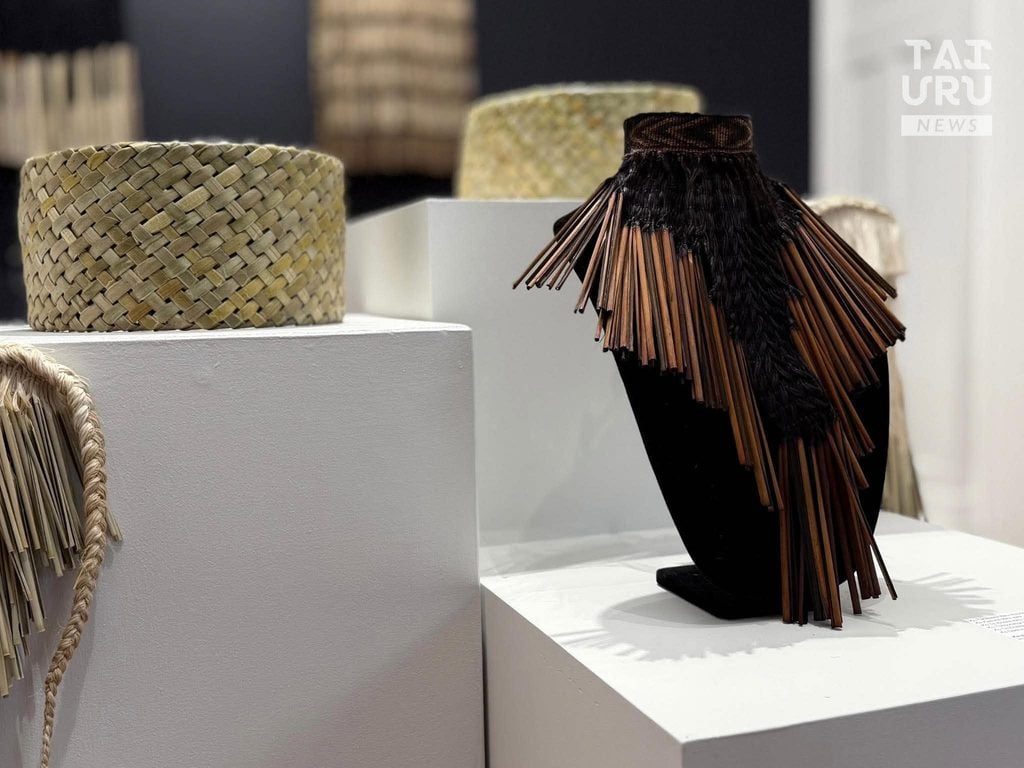
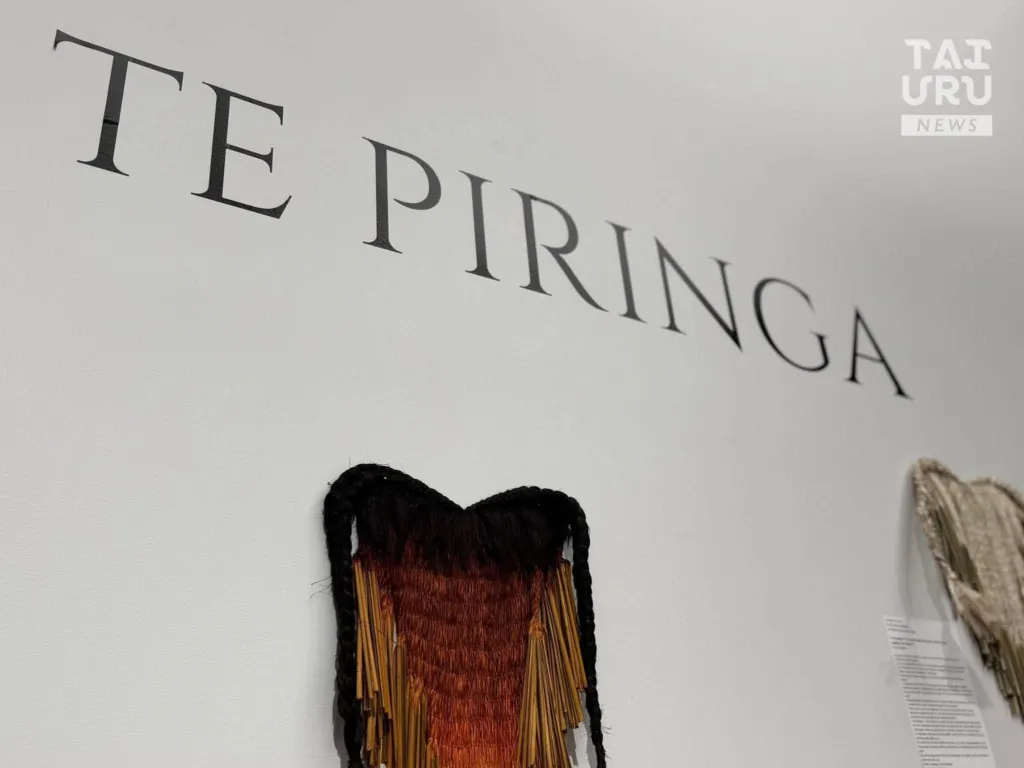
A vibrant celebration of Māori weaving, identity, and whānaungatanga has taken root in Palmerston North with the opening of Te Piringa, a new exhibition showcasing traditional maro (woven flax garments). Curated by eleven wāhine, the initiative is led by Rangitāne sisters Georgia Larkins-Tareha and Corrinne Larkins (Rangitāne, Ngāti Raukawa, Ngāti Tūwharetoa), who founded the collective Ngā Toi Harakeke in 2023.
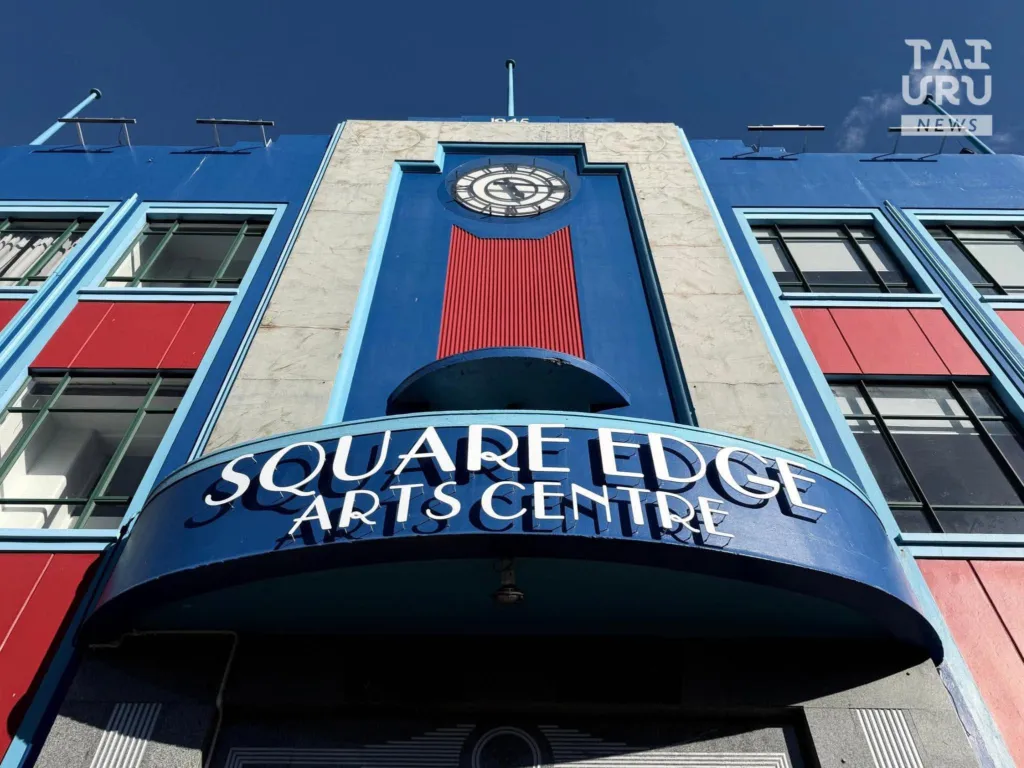
The exhibition, hosted at Square Edge Arts Centre in the heart of the city, highlights the deeper cultural connections embedded in traditional weaving practices, including raranga, whatu, and mahi toi. For the sisters and their group, harvesting flax at the pā harakeke is more than a creative process—it is a spiritual sanctuary and a connection to ancestry.
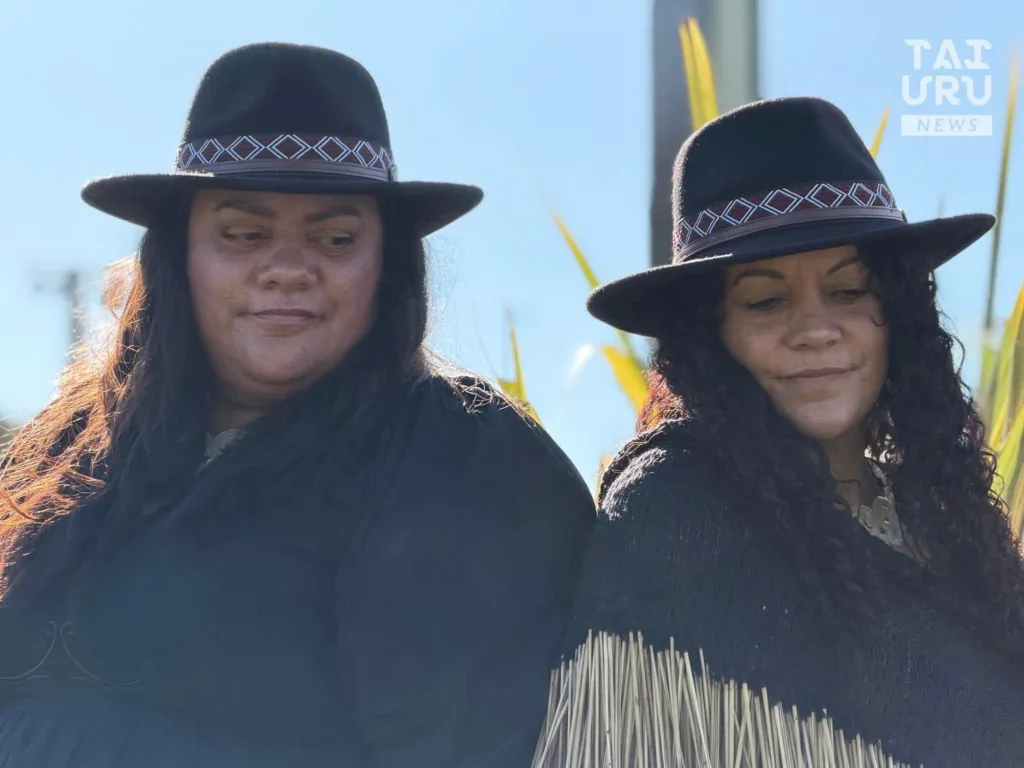
“It feels really free to be out in the pā harakeke. It’s somewhere I like to go in good times, in bad times, when we’re celebrating,” said Georgia Larkins-Tareha.
Corrinne Larkins echoed these sentiments, emphasizing the role of traditional art forms in cultural reconnection. “When we’re out there, we’re connecting back to our tūpuna, reconnecting back to ourselves where we’re hopeful for whatever it is that we’re going to be doing,” she said. “Revitalising mahi toi, raranga, whatu is what I’m all about.”
Beyond artistic expression, the collective provides an empowering space for wāhine from similar backgrounds to learn and thrive together. Jo Warren, a weaver with Ngā Toi Harakeke, reflected on her experience: “Having this space where it’s all wāhine, we all come from the same background or similar backgrounds where we’re all wanting it… I love weaving now, and now I can proudly say I’m part of Ngā Toi Harakeke with Georgia and Corrinne.”
With the 2026 General Election approaching, the organizers are advocating for greater central government investment and targeted policy funding to support the community arts sector. They hope policymakers recognize the broad social impact of cultural revitalization initiatives.
“Mahi toi uplifts, mahi toi reconnects, mahi toi brings whānau together, mahi toi reconnects whānau that have been disconnected from each other,” explained Larkins-Tareha. “I would hope that they would look at something like this and see it as an investment into all of our communities.”
Larkins added, “What I want for them to see is potential, and potential is so much bigger than just learning how to do mahi toi.”
Te Piringa is currently open to the public at the Square Edge Arts Centre in Palmerston North.